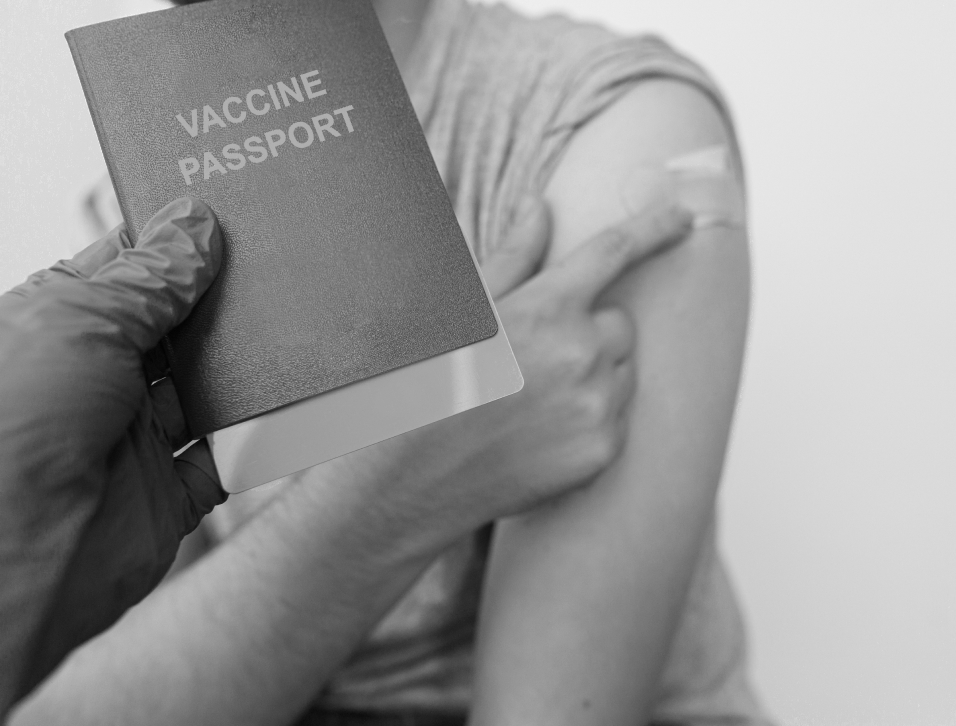
Yellow fever is a viral disease transmitted by the bites of infected mosquitoes. It is prevalent in parts of Africa and Central and South America. Although yellow fever does not occur in Australia, the infected mosquitoes can be found in parts of northern Queensland.
Common symptoms of yellow fever include fever, body aches and pains, fatigue, headache, and nausea and vomiting. In most cases, symptoms subside after 3-4 days. However, a small proportion of patients may develop more severe symptoms and complications such as high fevers, bleeding (from the mouth, nose, or gut), jaundice (yellowing of the skin and eyes), abdominal pain, and liver and kidney failure.
There is no specific anti-viral treatment for yellow fever. Early diagnosis and supportive treatment are the mainstay management options. Protection against yellow fever can be achieved through the yellow fever vaccine and avoiding mosquito bites by taking appropriate preventative measures – applying mosquito repellent containing DEET, wearing light coloured and long-sleeved clothes outdoors, using a mosquito net at night, and avoiding going outside at dawn or dusk.
Yellow fever is a vaccine preventable disease. The yellow fever vaccine involves a single dose that provides life-long protection. It is safe and almost 100% effective.
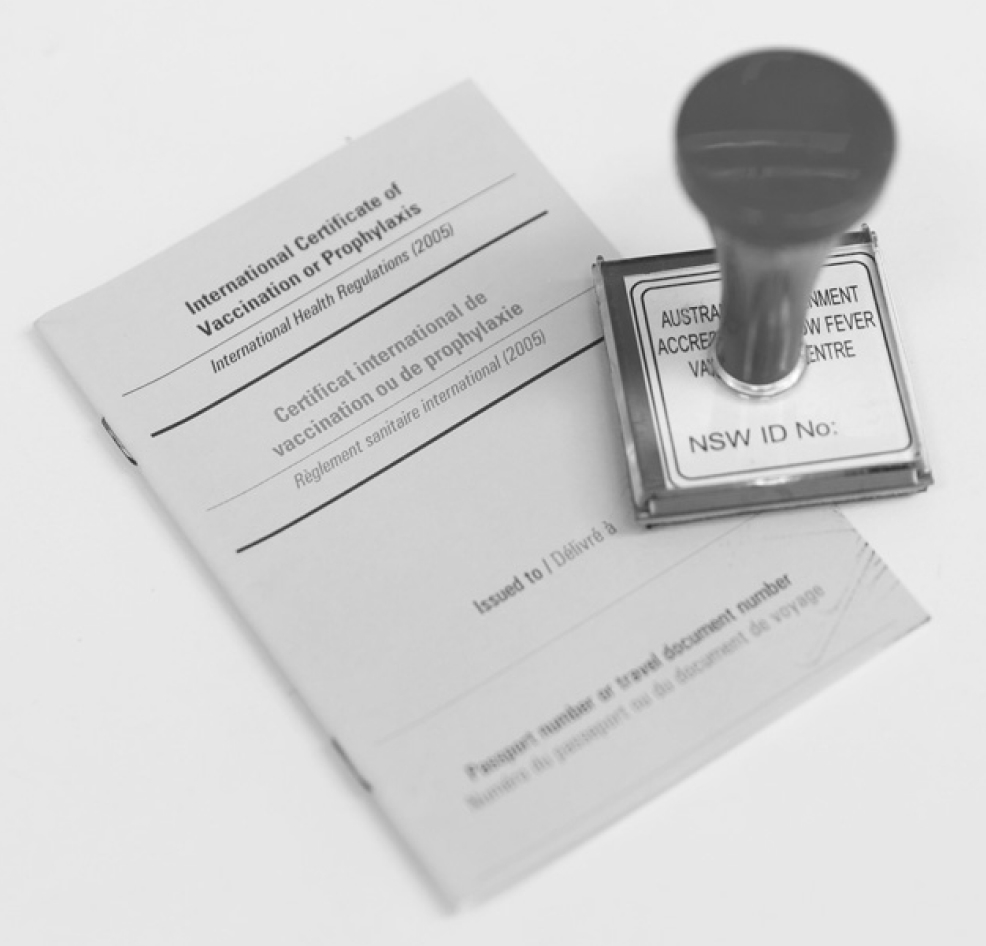
Vaccination is strongly recommended if you are travelling to a country with a risk of yellow fever. The Centre for Disease Control and Prevention website provides a list of countries with a risk of yellow fever transmission. Many of these countries require proof of yellow fever vaccination to enter. It is best to check these requirements well in advance as part of your travel arrangements.
As the yellow fever vaccine is a live viral vaccine, it is generally contraindicated in pregnant women and people with severe immunodeficiency. It is also not recommended for infants less than 9 months of age and in people who have had an anaphylactic reaction to a previous dose of a yellow fever vaccine. Your doctor will assess your individual medical circumstances to determine your suitability for receiving the vaccine.
Side effects after receiving the vaccine are generally mild. You may experience some headaches, muscle pain, or low-grade fevers. Adverse side effects are rare.
The Australian Immunisation Handbook provides further information about yellow fever, vaccines, and recommendations for vaccination. The Smartraveller website provides helpful information on your travel destination.

Doctors at Hunters Hill Medical Practice have been accredited by NSW health to provide Yellow Fever vaccination. The Yellow Fever vaccine is in stock and can be given on the day of consultation if appropriate. You will then be given a stamped official vaccination certificate for your travels.
Travellers should ensure they are vaccinated no less than 10 days before entering a yellow fever risk country. It is a good idea to make an appointment with your doctor at least four weeks, preferably six weeks before your travel. This will allow enough time for your doctor to create an appropriate vaccine schedule for you that may include other travel vaccines recommended for your trip.
In addition to providing the yellow fever vaccination, your doctor and nursing staff can provide you and your family with a comprehensive range of travel medicine services, including