Wound Care

Wound

A wound is a break or damage to the skin. It can be classified as an incision (cut), laceration, or abrasion (graze or scratch).

Appropriate wound care leads to better healing and reduces infection risk.

Modern dressings can be expensive. Dressing fees may vary between $20–$75.

Wound Healing

Wound healing is a complex process that involves three main phases:

  1. The first phase involves a cascade of immune and inflammatory responses initiated by the body to remove debris and prevent infection. White blood cells infiltrate the wound site to destroy microbes and other foreign bodies.
  2. During the second phase, new tissue and blood vessels begin to form within the wound which support healing and closure of the wound.
  3. During the final phase, the wound undergoes structural changes to develop scar tissue. This phase can take the longest, from months to years. To ensure optimal healing, proper wound care is essential.

Factors that can slow down the wound healing process include medical conditions (e.g., diabetes), smoking, medications, older age, infection, persistent bleeding, necrosis (dead skin), and malnutrition.

Wound Care

Treating a wound depends on several factors, including your health and the nature of the wound. Optimal wound healing can be achieved through the following essential steps.
Cleaning the wound to remove dirt and debris, using mild soap and water. If the wound is deep or heavily contaminated, seek medical attention. 
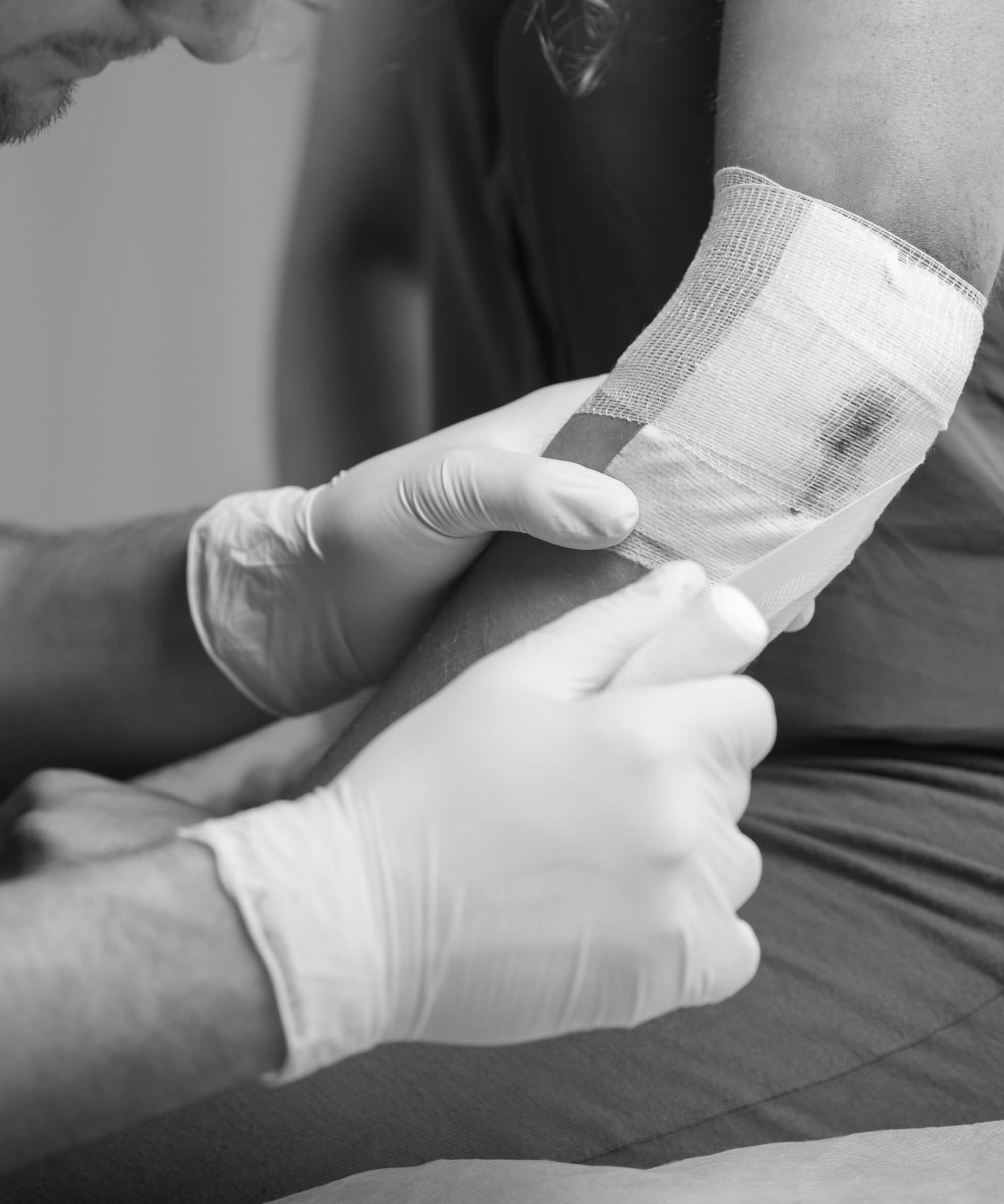
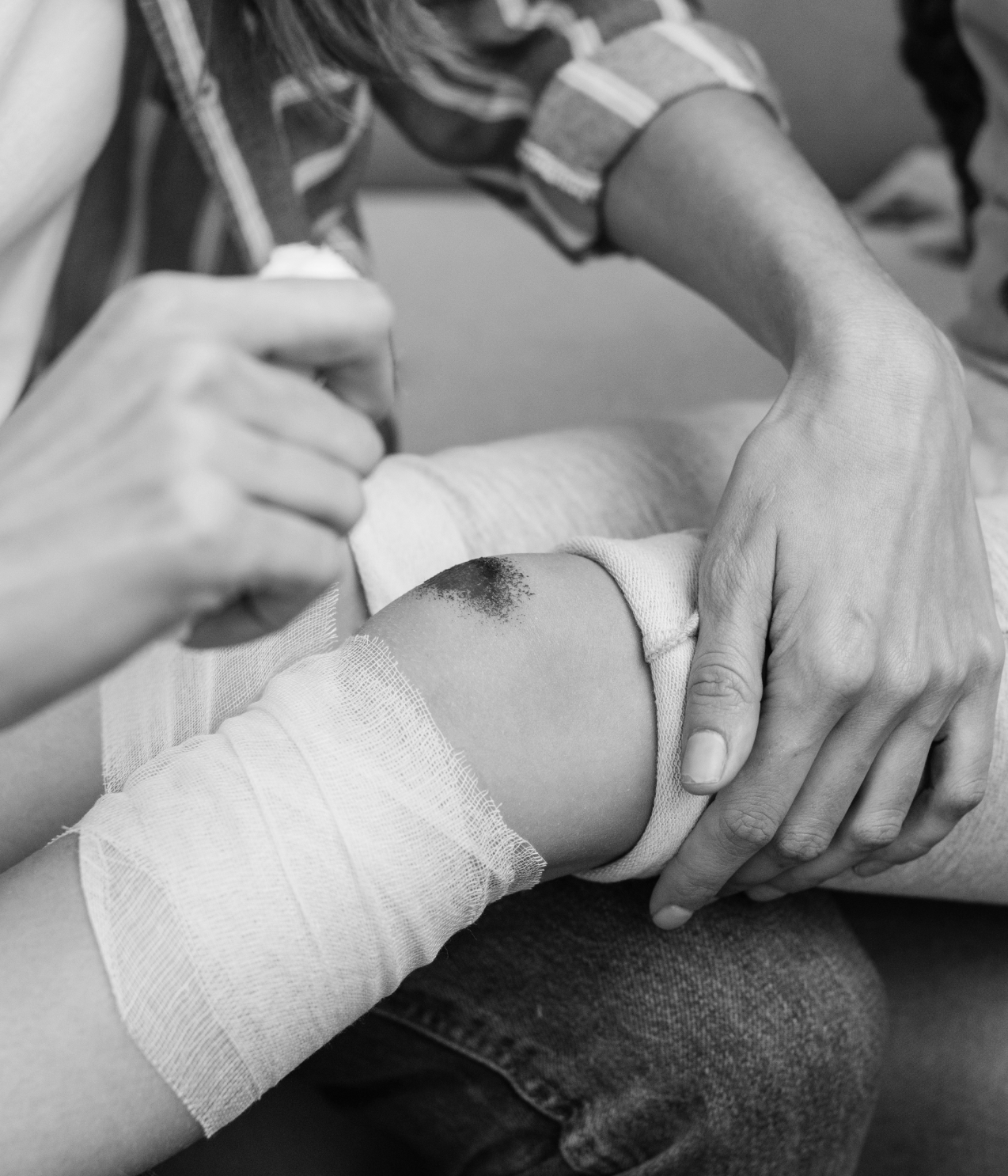
Using a dressing to protect and cover the wound, depending on the site, type, and severity of wound. Nurses at Hunter’s Hill Medical Practice can assist with changing wound dressings to maintain a clean and conducive healing environment
Use of medical glue, which forms part of the scab and falls off in about 10 days when the wound has healed.
Use of steri-strips, a sticky tape-like dressing that holds the edges of a wound together. These can be removed by yourself or by the practice nurses after 5-7 days.
Use of sutures (stitches) or staples to close larger wounds. Local anaesthetic is used to numb the area first. Sutures and staples would need to be removed eventually and it is recommended that you do not attempt to remove these by yourself. The practice nurses can assist with the removal of sutures and staples.
Monitoring for any signs of infection such as increased pain, redness, swelling, wound discharge or pus, and fever. Your doctor may prescribe antibiotics or antimicrobial dressings if necessary.
Tetanus vaccination may be recommended depending on the type of wound, mechanism of injury, and your vaccination status
Simple pain relief (e.g., Paracetamol or Ibuprofen)

Other considerations:

  • Your doctor may review your medications to ensure they do not interfere with the body’s healing process.
  • Depending on the type of wound, your doctor may recommend surgery or radiation treatment.

Wound Self-Care

It is recommended that you check your wound regularly and see your doctor if you have any concerns. To ensure optimal wound healing, here are some wound self-care tips to implement at home:

  • Avoid scratching or itching your wound
  • Avoid using creams, lotions, or powders that have not been prescribed by your doctor
  • Follow instructions provided by your doctor and the practice nurses on how to care for your wound. They will inform you of when you should return for a redressing or a follow up appointment
  • General health and wellbeing – nutrition plays a key role in wound healing and in order to obtain the necessary vitamins and minerals (e.g., vitamin A and C, copper, and zinc), it is recommended to maintain a balanced diet rich in fresh fruits and vegetables
  • Look out for any signs of a wound infection – increased pain, redness, swelling, hot to touch, wound discharge, fevers, delayed wound healing, or increased bleeding

Our highly skilled practice nurses are available 6 days a week, Monday to Saturday. They work alongside our doctors to provide safe, high-quality care for our patients. On a day-to-day basis, they take care of many patient needs, including wound care. If you have require a wound dressing or removal of sutures or staples, our practice nurses can help you with that. 
Call Us on 02 9817 2080 
to book an appointment today!

Contact Us
Monday – Friday
8am to 7:30pm
Saturday
8am to 1:30pm
Sundays & Public Holidays
Closed
6 Ryde Road

Hunters Hill NSW 2110
Hunters Hill Medical Practice acknowledges and respects the ATSI people and is honoured to contribute to their healthcare.
© 2025 Hunters Hill Medical Practice