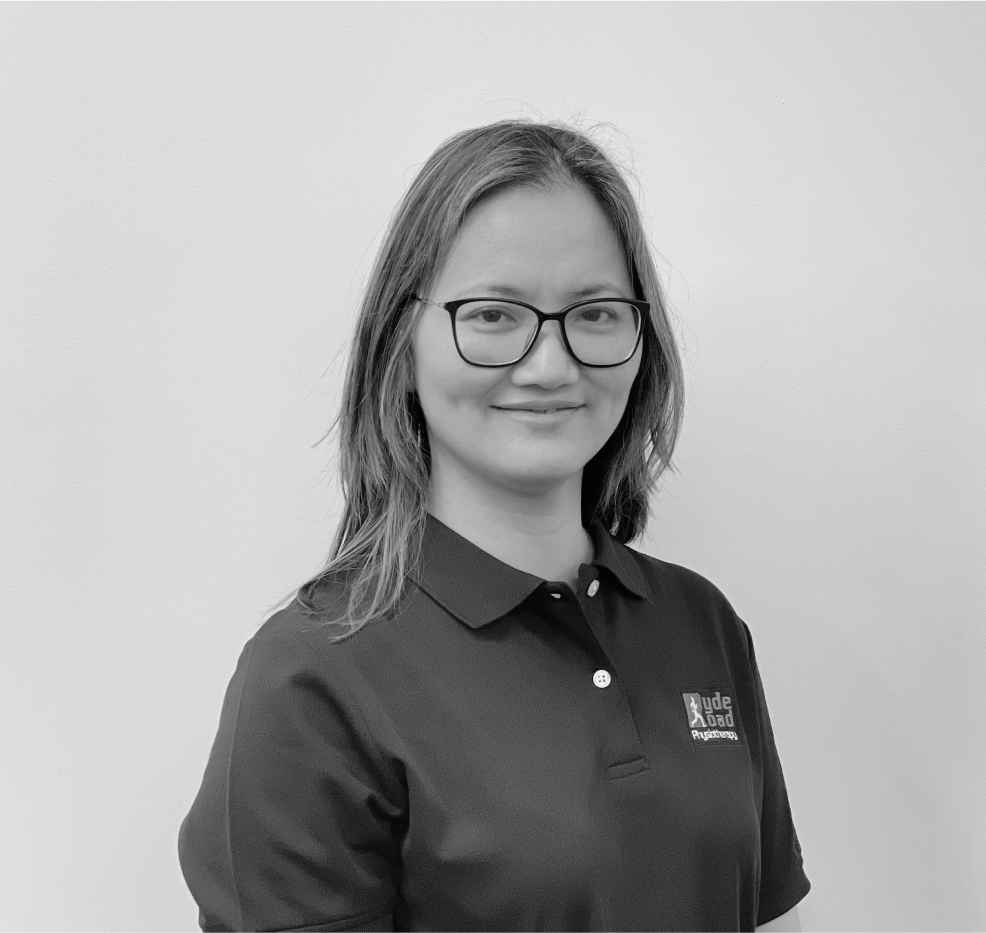
A Musculoskeletal and Sports Physiotherapist with over 19 years of private practice experience. Nancy completed her undergraduate studies Bachelor of Applied Science (Physiotherapy) at Sydney University in 1999 and in 2008 graduated with a Master of Musculoskeletal and Sports Physiotherapy from Griffith University, QLD.
In her career Nancy has gained vast experience in the assessment and management of sports and musculoskeletal injuries. Nancy has a strong interest in treating low back pain, women’s health issues and is a Level 4 DMA Clinical Pilates Instructor. Nancy has worked as a sports physiotherapist with GPS School Rugby Union (SJC), Bankstown Soccer Club (NSW Premier League)and other Soccer Super League clubs, UNSW AFL, UNSW Judo, Eastwood Rugby Union Club and also worked at the Pan-Pacific Masters Games in 2007.
Nancy has completed further study in dry needling and western acupuncture, muscle energy techniques, Mulligan’s treatment method, core stability training, women’s health intensive course and golf performance. In her early career Nancy worked in various large teaching hospitals and acquired experience in treating musculoskeletal, orthopaedic (pre-operative and post-operative rehabilitation), neuro-rehabilitation, casting and splinting (fractures, hand, fingers injuries, contractures).
Currently, Nancy keeps active with practicing and teaching Aikido where she has attained 3rd Dan Black Belt level. She is a keen Liverpool and Sydney FC supporter. In her spare time Nancy enjoys reading, good food and good wine and running after her toddler son.
Call us at 02 9817 2080 to book an appointment today!
Maeve graduated from the Royal College of Surgeons in Ireland in 2020, with a degree in Bachelor of Science (Hons) in Physiotherapy. She has 5 years of postgraduate experience working in a variety of settings including private practice, orthopaedics, neurological rehabilitation, and specialist palliative care.
Maeve started her career working in private practice and has since returned to this area since moving to Australia 2 years ago.
Maeve will work with individuals to set and reach their goals and feels a person-centered approach and education are integral components to physiotherapy treatment. Maeve feels it is important for people to understand their own bodies and can help give them the tools to optimise their independence and quality of life. She integrates a variety of manual techniques into her treatment and has completed further training in Western Acupuncture and Dry Needling. Additionally, Maeve is a level 1 DMA Clinical Pilates Instructor.
Maeve, originally from Ireland, is enjoying a career in physiotherapy in Sydney.
In her free time Maeve enjoys travelling, trying new restaurants and living an active lifestyle. She enjoys running, Pilates, high intensity training and strength training.
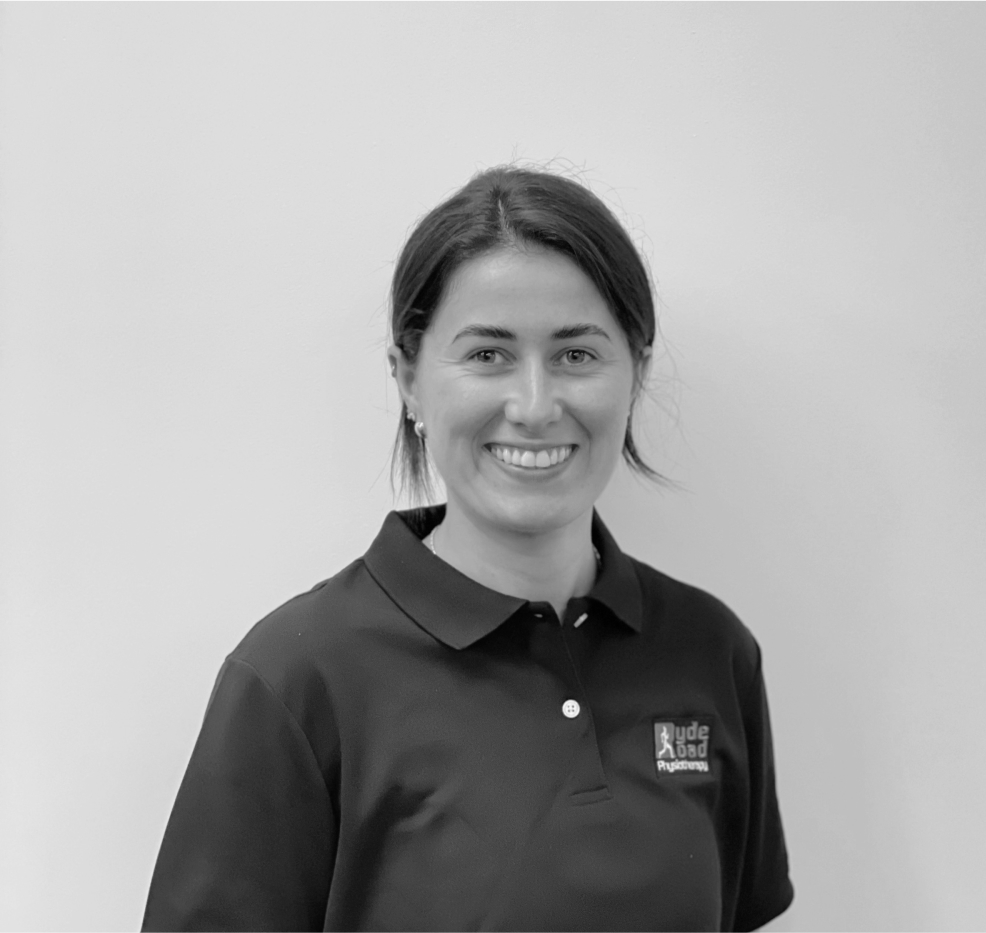
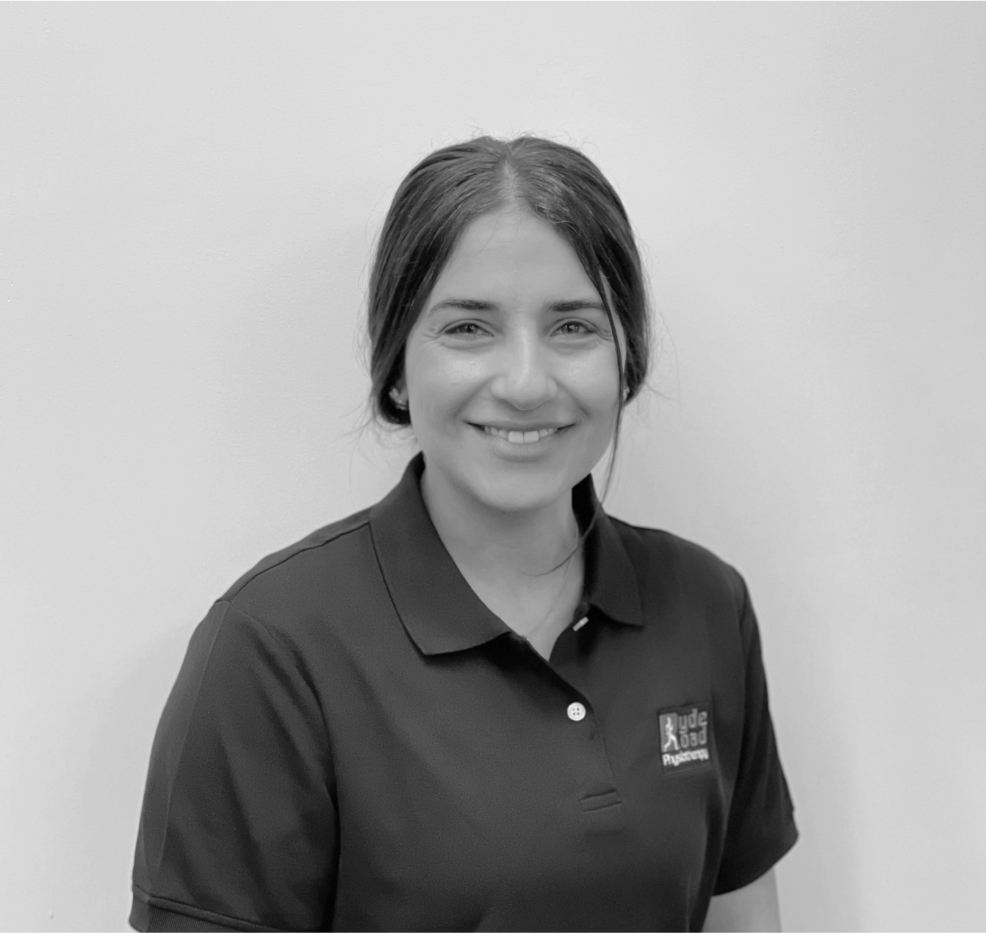
Monica’s passion is for people to live life to their fullest through her Physiotherapy expertise. Having graduated from LaTrobe University in Melbourne with a Bachelor of Physiotherapy in 2011 she has since worked in private practice with all age groups over the past 15 years.
Her special interests include, but are not limited to,
Women’s Health has become an important part of Monica’s career. She has completed extensive professional development over the past 10 years in this field to further her knowledge and is able to treat pre and postnatal women with musculoskeletal issues or pelvic floor related issues, women with pelvic organ prolapse (including pessary fittings), urinary urgency, urinary or bowel incontinence and pelvic pain.
Monica deals with these cases with sensitivity and care. Having had two children of her own, she is respectful and can empathise with her patients surrounding such issues. She also has extensive dry needling experience and loved working with individuals to personalise and achieve their goals.
Monica is also involved in the Pelvic Pain Clinic with Hunters Hill Medical Practice to holistically support women with conditions like Endometriosis, Adenomyosis and PCOS. She has attended and trained in managing period pain, sexual pain, cramping, constipation and issues with exercise due to the previously mentioned symptoms.
Monica has an interest in persistent pain and ways to educate and treat this in a wide range of patients suffering regularly. She feels it is paramount to empower the patients she works with and discover what an individual can do. The science of the brain is a valuable and infinite tool with the ability of creating new pathways, new belief systems and newly learned skills to enhance people’s quality of life, in spite of the issues they may face along the way.
On a personal note, Monica is a local and enjoys spending time with her family, exercising and serving in her church community.
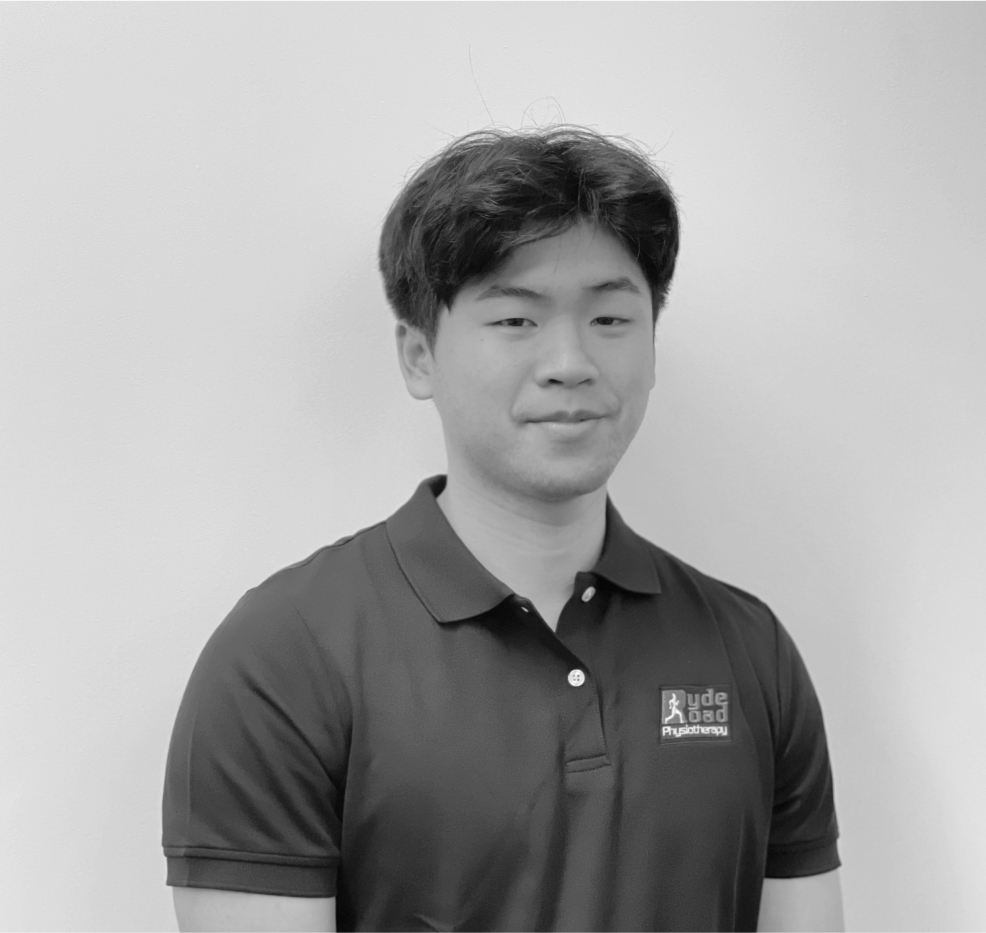
Adrian graduated with a Master of Physiotherapy from the University of Sydney, following a Bachelor of Biomedicine majoring in Physiology from the University of Melbourne.
Throughout his studies, Adrian gained clinical experience across hospital, community, and private practice settings, building strong foundations in musculoskeletal, neurological, cardiorespiratory, and aged care physiotherapy. He has since worked in both aged care and private clinics, treating a wide range of conditions including sports injuries, post-surgical rehabilitation, chronic pain, and balance or mobility issues.
Adrian adopts a collaborative, person-centred approach to care. He combines tailored exercise prescription, education, and hands-on techniques to support his patients in reaching their functional goals. He enjoys working with people of all ages and is committed to helping them return to the activities that matter most.
Outside of the clinic, Adrian enjoys playing volleyball, staying active, and exploring new places to eat around Sydney.
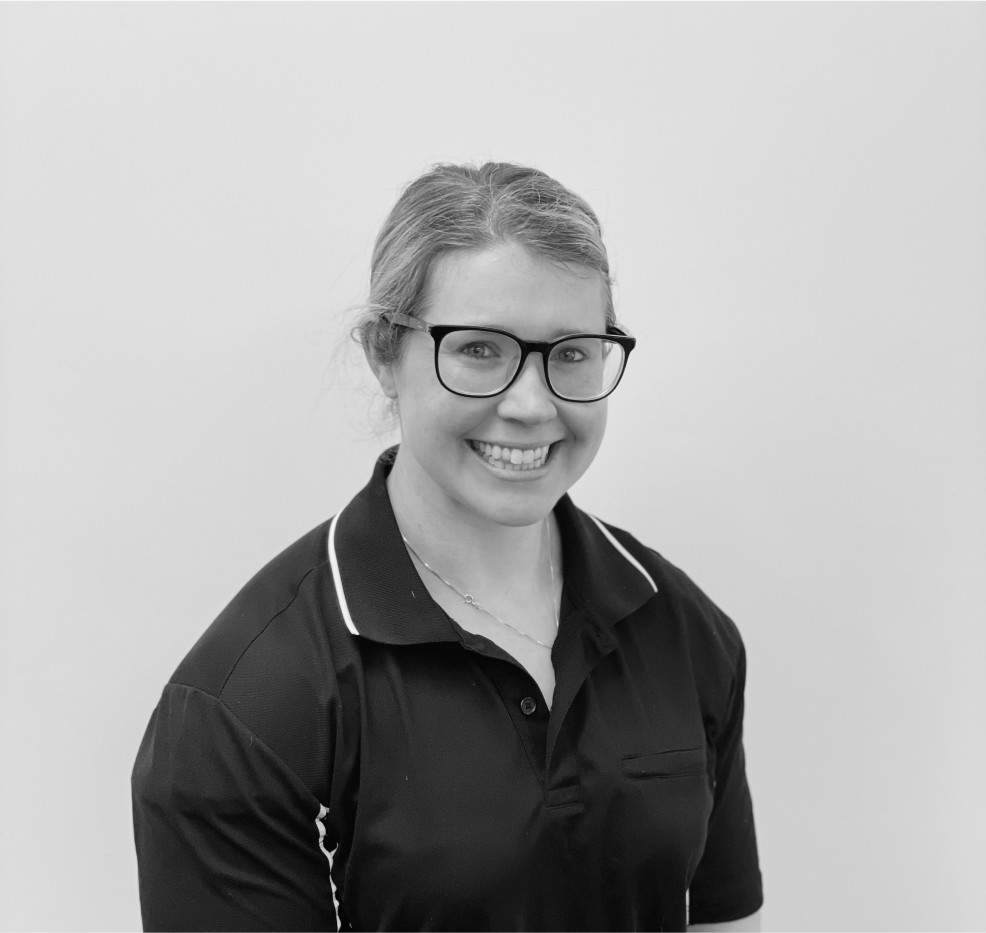
Annie has been working in healthcare for the past eight years as an Exercise Physiologist and Registered Nurse.
Her goal is to combine the knowledge and skills from both disciplines to deliver tailored, holistic exercise interventions which optimise health outcomes and keep people out of hospital. Her unique perspective of the healthcare system and understanding of acute and complex chronic conditions, passion for helping people, and personal commitment to meet client goals through harnessing the medicinal effects of exercise, put her in good stead to do just that.
Her areas of interest include chronic disease management, cardiac rehabilitation, women’s health, frailty and falls prevention, mental health and injury rehabilitation. Annie has a strong value for prevention and believes in giving people the tools to successfully self-manage their conditions to achieve long-term behaviour change.
Physiotherapy uses physical techniques to improve movement, reduce pain and stiffness, speed up the healing process and increase people’s quality of life.
Physiotherapists help people to get the most out of life. Physiotherapists are trained to assess their client’s condition, diagnose the problem and devise a treatment plan that takes into account their client’s lifestyle, activities and general health.
They help their clients recover from injury, reduce pain and stiffness, increase mobility, and prevent further injury.
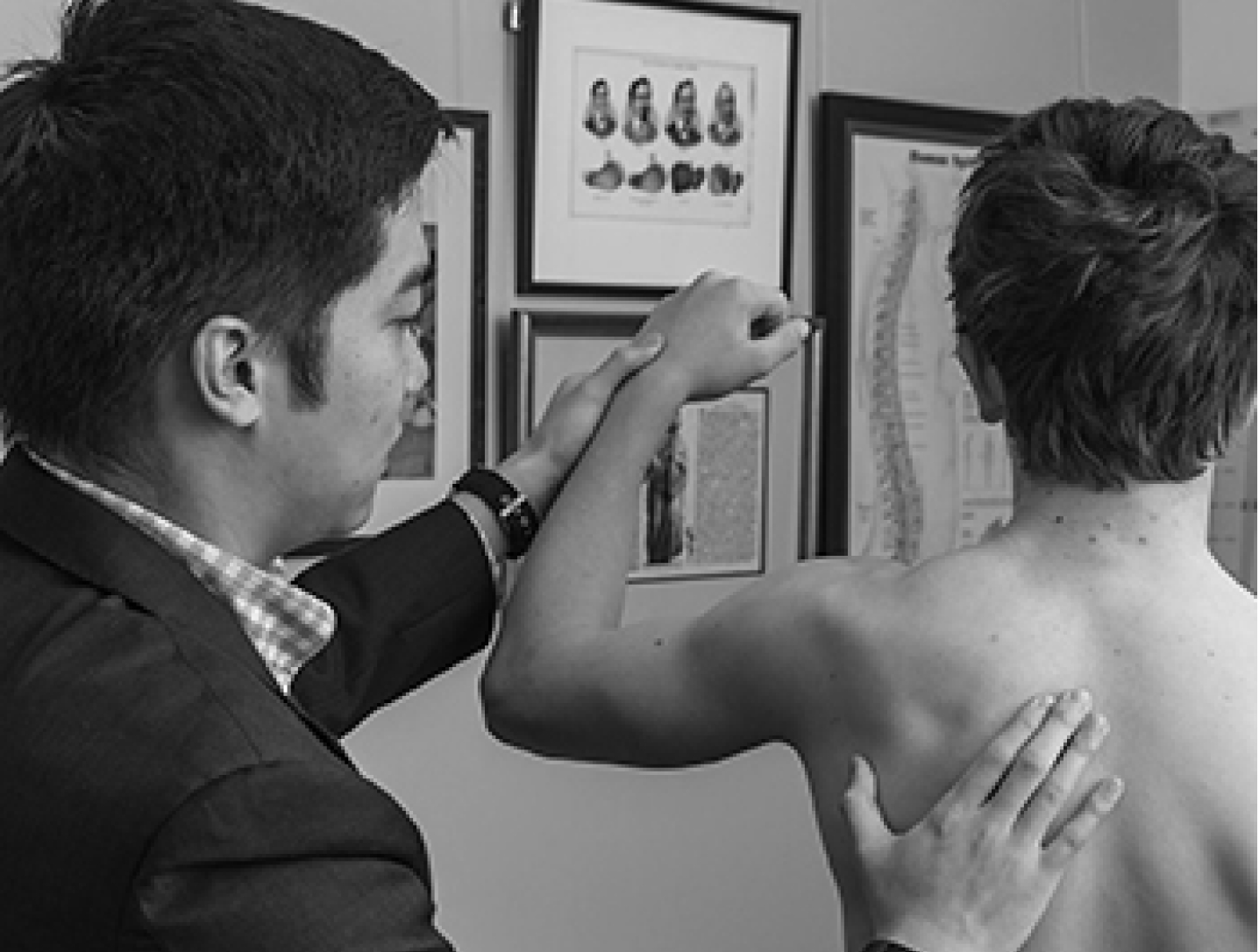
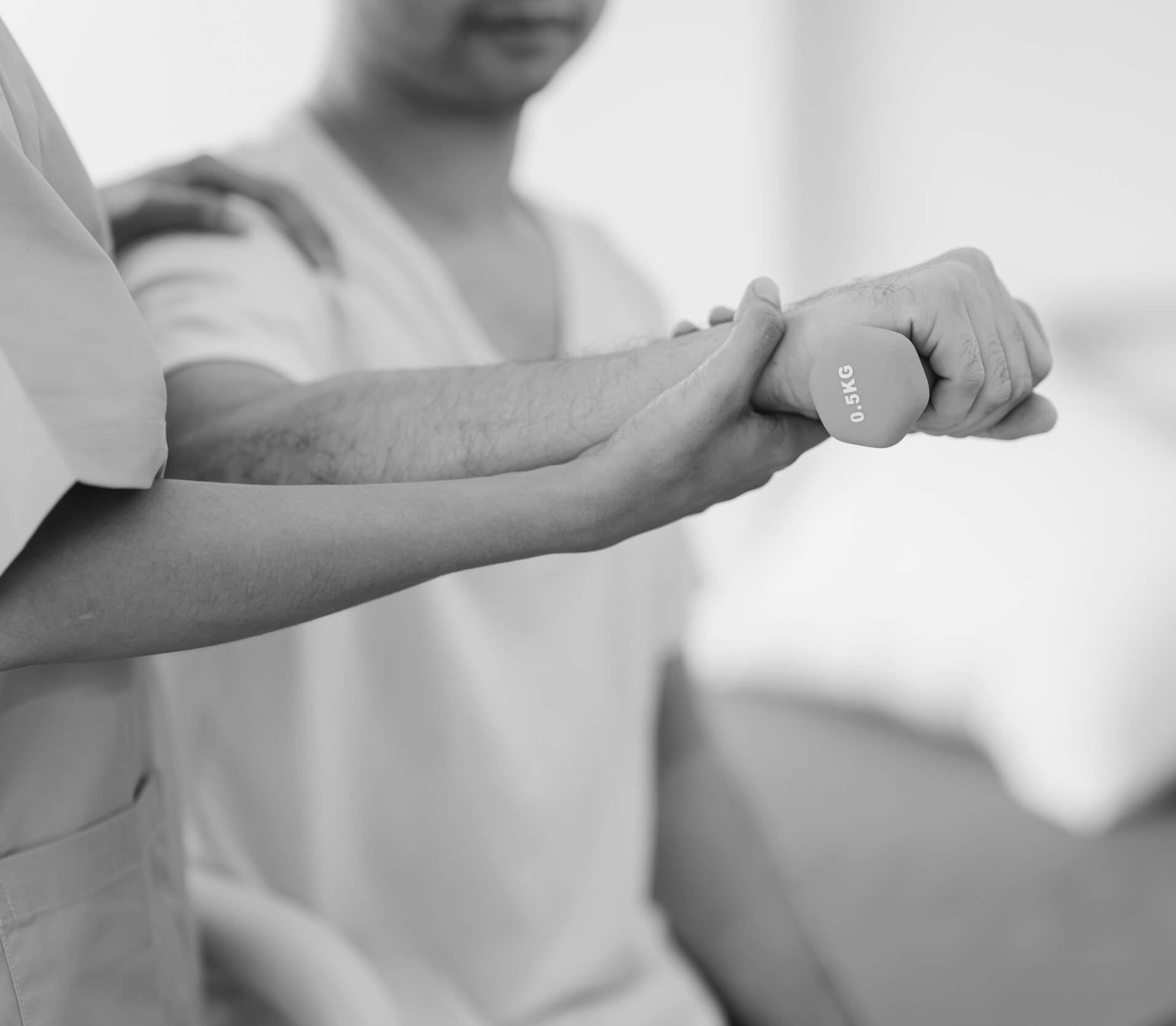
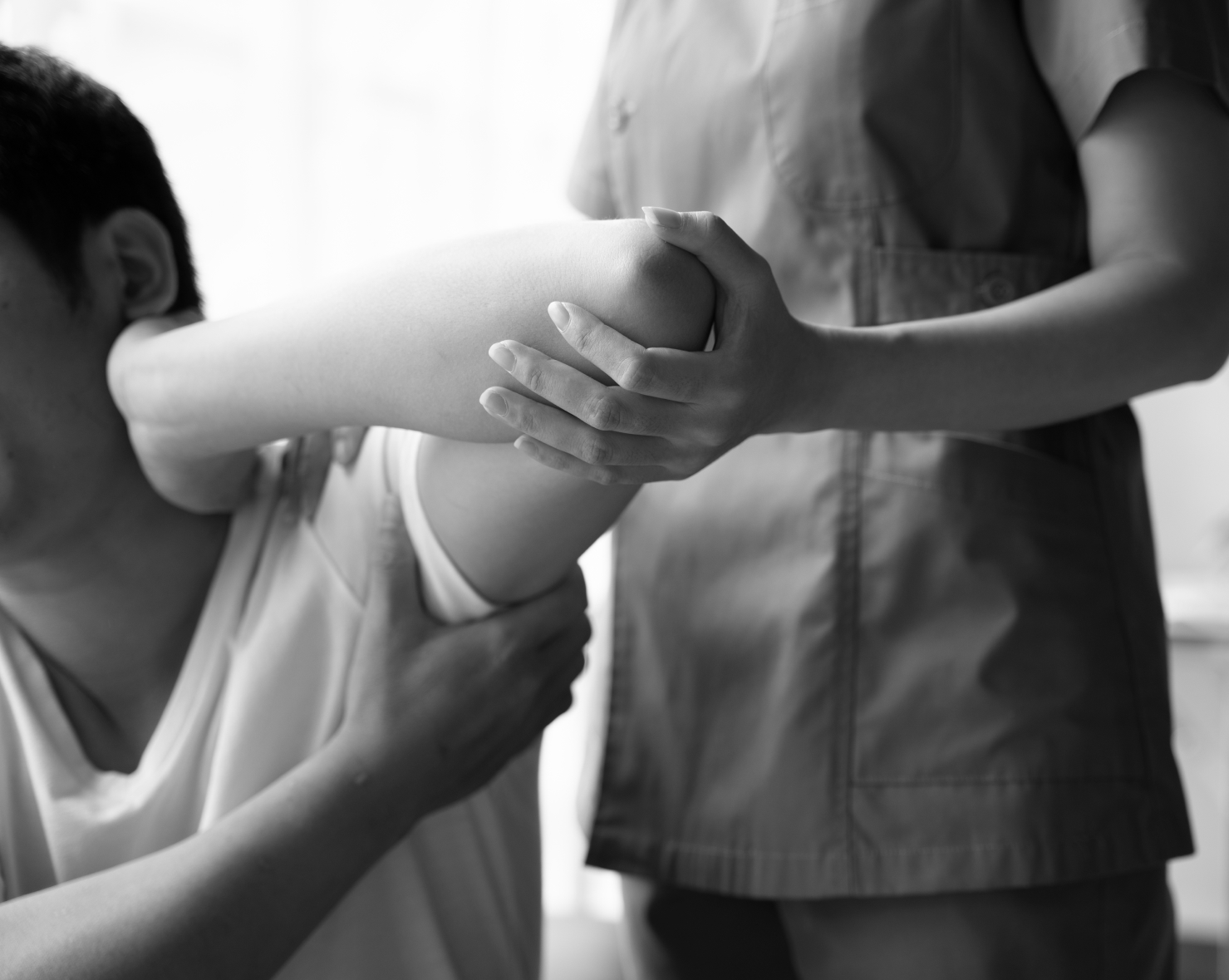
Physiotherapists extend their care to chronic health impacts, like heart disease and diabetes, and lesser-known pelvic floor issues. They’re experts in helping to reduce the alarmingly common health and safety issues associated with working in labour intensive industries, preventing injury as well as getting people back to work quickly and safely.
As first contact practitioners, you don’t need a doctor’s referral to see a physiotherapist. Physiotherapists, doctors (GPs, Orthopaedic surgeons, sports physicians), and other health professionals will often work as part of a team to plan and manage treatment for a specific condition.
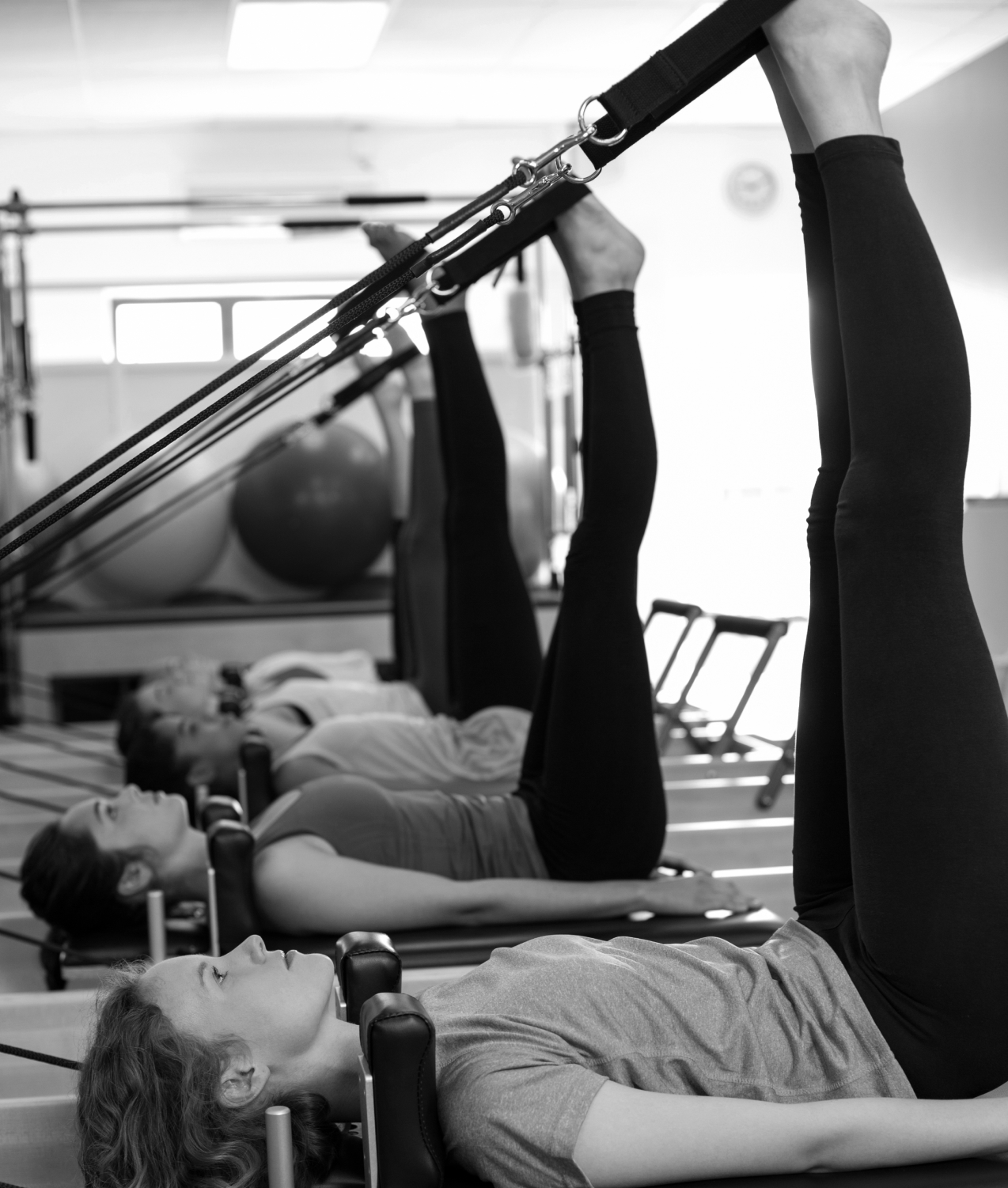
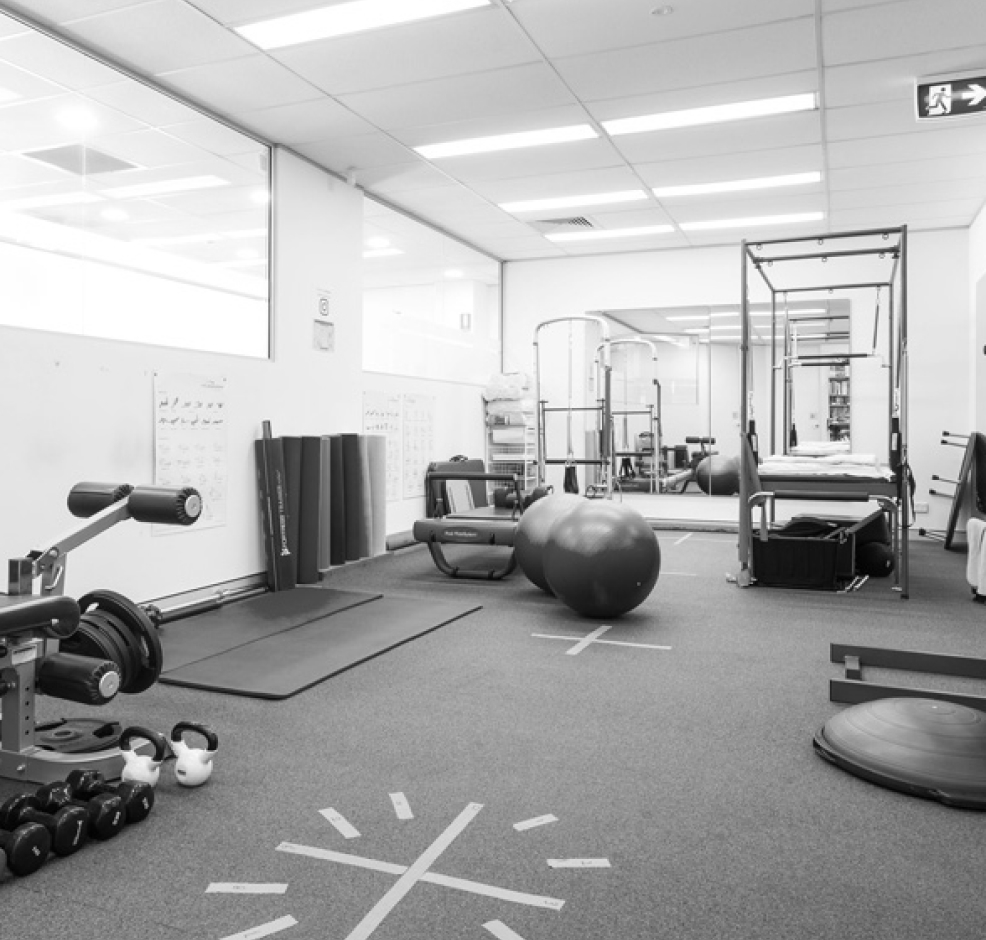
Clinical Pilates is a modified form of therapeutic exercises used by Physiotherapists to assess and assist in the rehabilitation and prevention of musculoskeletal injury. Clinical Pilates is the merging of the traditional Pilates method with the evidence-based approach of Physiotherapy.
The basis of Pilates exercises are: to encourage efficiency and sub-maximal muscle control by using resistance (spring-loaded) and movement, to facilitate both deep and global stability muscles thus creating a stable, controlled pelvic and shoulder. Functional and dynamic movements are incorporated in Clinical Pilates to mimic and facilitate the connection between the shoulder and pelvic girdles.
Clinical Pilates has been proven to be highly effective in the management and prevention of low back pain, functional strengthening for sports and work activities.
If you are interested in commencing Pilates for your injury, if you have not done so already, it is essential to have a review with the Physiotherapist to assess the suitability of a lumbo-pelvic stability program for you.
As Clinical Pilates is keyed to an individual, in comparison to the generic form, classes are run in small groups of no more than four people per class to ensure matched exercises are done properly. It is recommended to wear loose comfortable clothing for these classes. Health insurance can cover some of these classes.