
Men’s health encompasses various facets of physical and mental health that contribute to overall well-being and quality of life. Common health concerns amongst men include cardiovascular, prostate, sexual, and mental health. Regular check-ups and screening are essential for prevention, ongoing monitoring, and early management.
Cardiovascular disease is a leading cause of illness and death amongst Australian men. In 2023, the burden of coronary heart disease was twice as high in males than in females. Key risk factors for the development of cardiovascular disease are:
Many of these risk factors are largely preventable and modifiable. Lifestyle changes can play a significant role in improving men’s cardiovascular health, including:

Regular check-ups with your doctor are important to identify cardiovascular disease early. Your doctor will perform blood pressure checks and order blood tests to check different parameters, including your cholesterol levels. Medications to regulate blood pressure, cholesterol, and glucose levels may be prescribed if needed, in addition to lifestyle modifications.
The main conditions that can affect the prostate are prostate enlargement, prostate cancer, and inflammation of the prostate (prostatitis) which is usually caused by an infection. Approximately 1 in 2 men over the age of 50 years may experience some prostate enlargement.
Urinary symptoms can be a sign of an underlying prostate condition. Speak to your doctor if you experience any of the following symptoms:
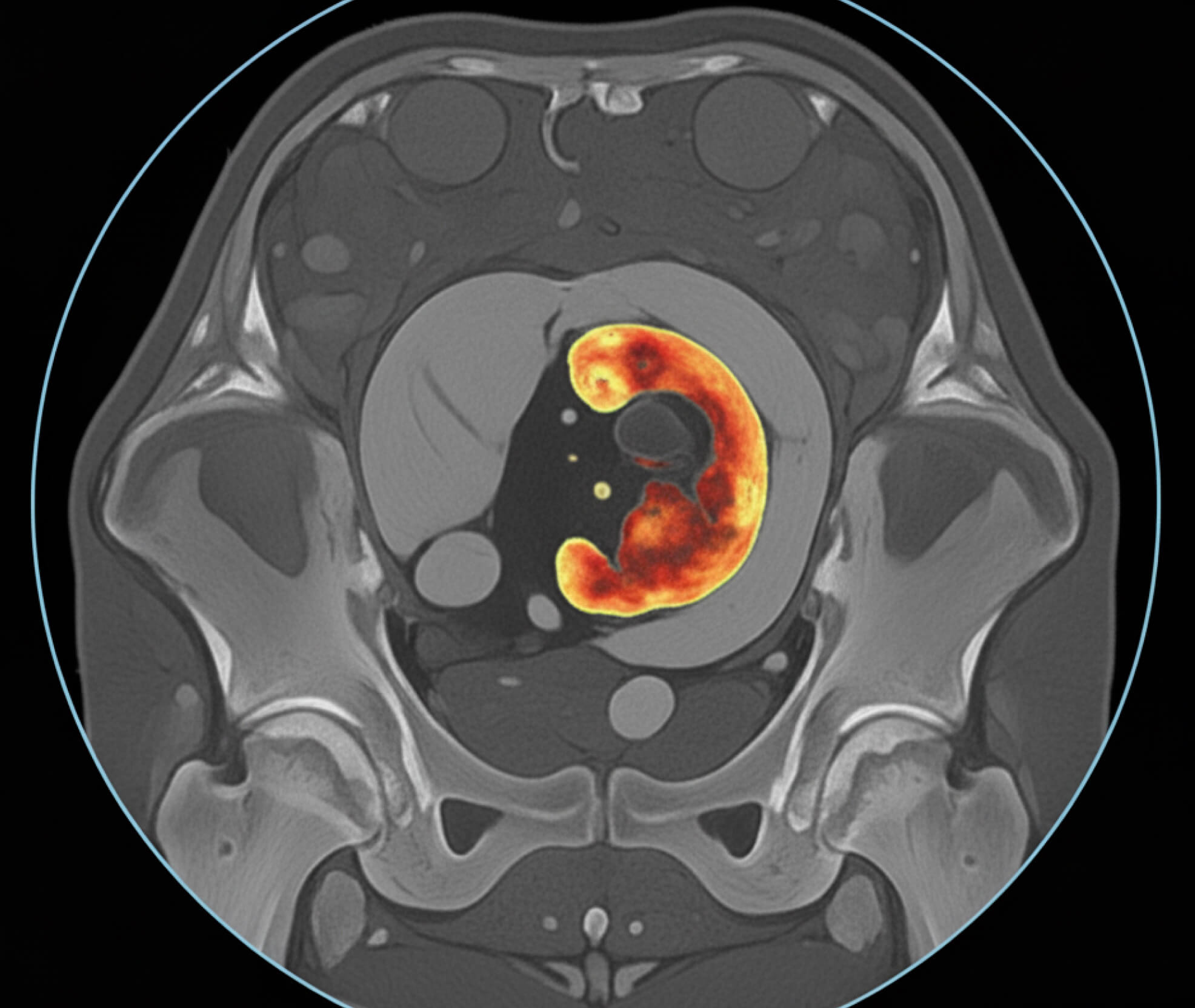
Your doctor may perform a prostate specific antigen (PSA) test. While this test is not considered as a routine screening test, it can be a useful tool to monitor symptoms or if you are at a higher risk of developing prostate cancer. Imaging tests such as an ultrasound or an MRI scan may also be ordered. If needed, referral to a urologist can be provided for further assessment or treatment.

Erectile dysfunction refers to not being able to obtain or maintain an erection. It affects about 2 in every 3 males over the age of 45 years and becomes more common with older age. There are many different causes of erectile dysfunction, including:
Erectile dysfunction can also be an early sign of underlying cardiovascular disease.
Raising your concerns with your doctor is the first step to diagnosis and treatment. Be assured that your doctor will discuss your questions and concerns with you in a non-judgemental manner. To provide the best care, your doctor will take a thorough history from you, including a sexual history. They may order blood tests and imaging scans such as an ultrasound. Depending on your history and symptoms, your doctor may first treat any underlying health conditions that may be causing erectile dysfunction. If needed, referral to a urologist may be provided for further assessment or treatment.
In Australia, 1 in 7 men will experience depression and 1 in 5 men will experience anxiety in their lifetime. Asking for help is a sign of strength. If you’re not feeling like yourself, speak to your doctor today – they can help with assessing your current situation, providing personalised and confidential advice, creating a mental health care plan, and providing a referral to a mental health professional such as a psychologist.
There are also plenty of online and telephone services available 24 hours a day, 7 days a week for immediate support: