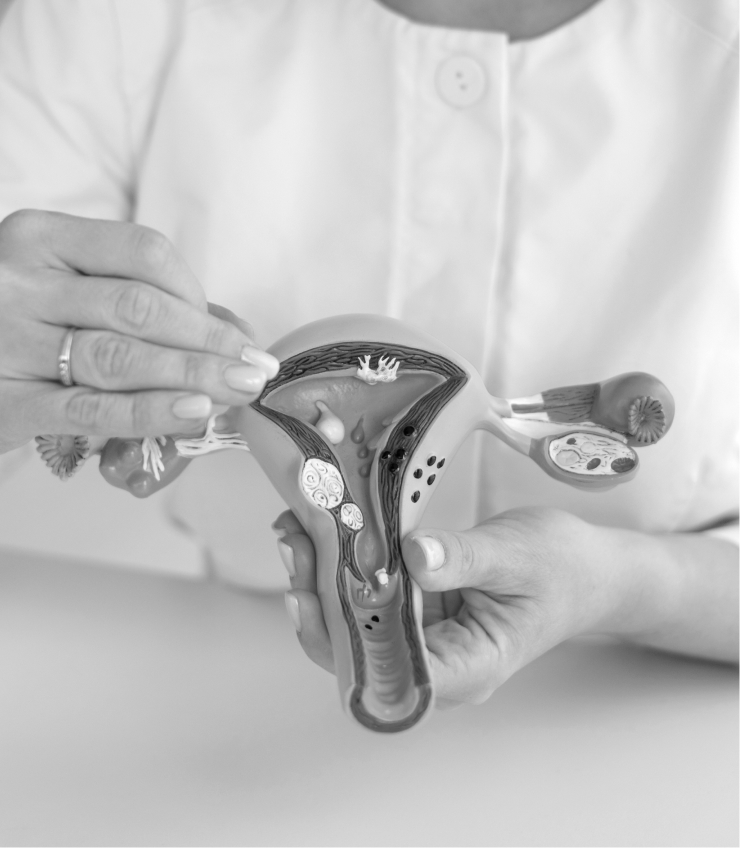
Regular check-ups with your doctor are important to detect early signs of a disease and maintain overall well-being. Health checks for women cover various aspects of health. Women at risk of a particular disease should be tested regularly.
Regular cervical screening is the best way to protect yourself from cervical cancer. It provides an opportunity to carry out further investigations or timely treatment if indicated. According to the National Cervical Screening Program, regular cervical screening is recommended for those between the age of 25-74 years and are currently or have previously been sexually active. The cervical screening test is recommended every 5 years. Book an appointment with your doctor for the test or inquire about self-collection. Visit our Cervical Screening page for more information.
Screening for breast cancer involves regular breast checks in the form of self-examinations, clinical examinations by your doctor, and screening mammograms. BreastScreen Australia, the national breast cancer screening program, invites women aged between 50 and 74 years to have a free screening mammogram every 2 years. Visit our Breast Checks page for more information.

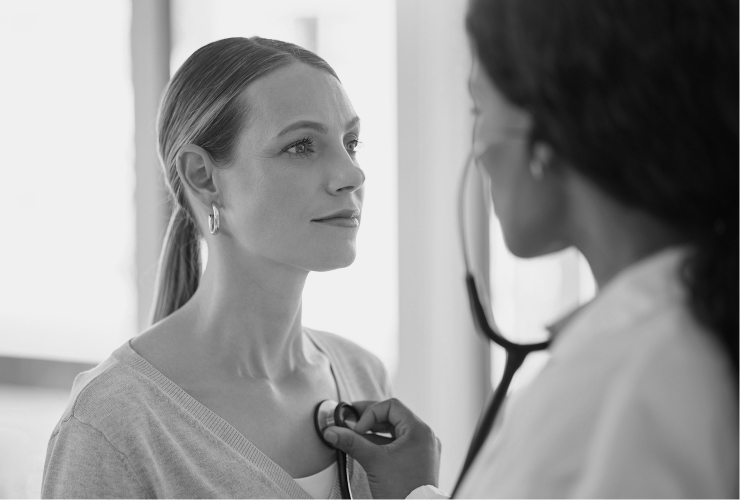
Cardiovascular disease is a leading cause of death for Australian women. Regular check-ups are recommended if you are over the age of 45. You doctor will check your blood pressure, cholesterol, and blood sugar levels. Many risk factors for cardiovascular disease are preventable and modifiable. Your doctor will discuss your medical and family history and lifestyle modifications such as regular exercise, maintaining a balanced diet, weight management, smoking cessation, and limiting alcohol consumption.
Diabetes is a chronic condition that can affect many parts of the body and lead to serious complications if left untreated. Your doctor will check your blood sugar levels. This can be done through a fasting blood glucose test, a HbA1c test, or an Oral Glucose Tolerance Test (OGTT).
Women with risk factors such as obesity, family history of diabetes, gestational diabetes during a pregnancy, polycystic ovarian syndrome, or on certain medications such as steroids are recommended to book in for a diabetes check with their doctor.


Menopause can increase your risk of osteoporosis, where bones become less dense, brittle, and lose strength. Your doctor can organise bone density scans (also known as DEXA scans) to measure the density of your hip and lower spine bones. Results of this scan can inform whether any action is required to protect your bone health. Lifestyle factors such as regular weight-bearing exercise and adequate dietary intake of calcium and vitamin D are important in maintaining bone health. Speak to your doctor about your bone health if you are over 50 years of age, post-menopausal, have a family history of osteoporosis, or have certain medical conditions that put you at a higher risk of osteoporosis (e.g., endocrine disorders, chronic kidney or liver disease, early menopause, rheumatoid arthritis).
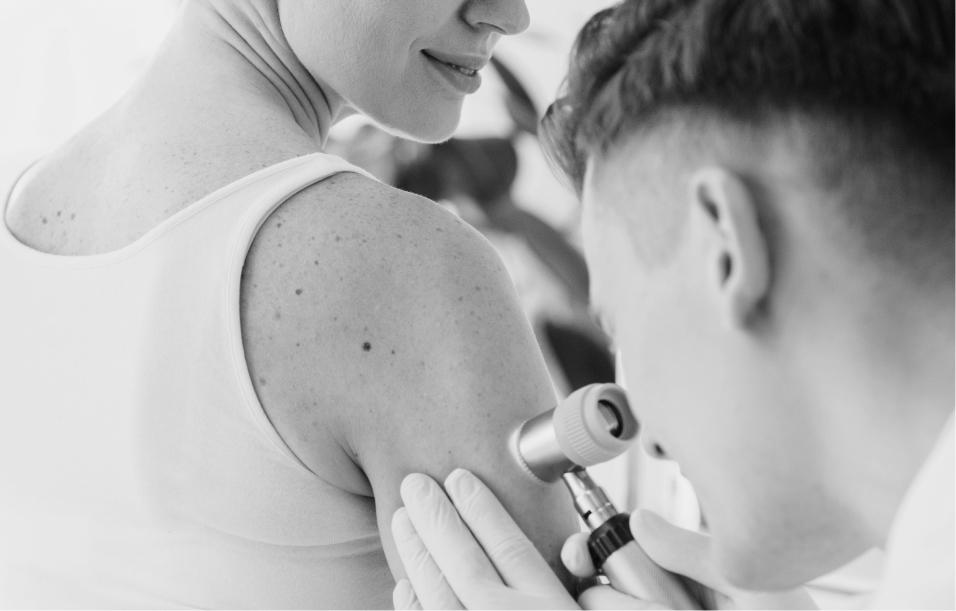
Regular skin checks by your doctor can help in detecting and treating suspicious moles or lesions at an early stage. Hunters Hill Medical Practice has partnered with Molemap to offer patients specialist quality skin cancer services which include assessment and photography by a trained melanographer and expert advice from a dermatologist. Furthermore, our GPs are skilled, experienced, and equipped to perform minor procedures such as biopsies and excisions on-site. Visit our Molemap Skin Checks page for more information.
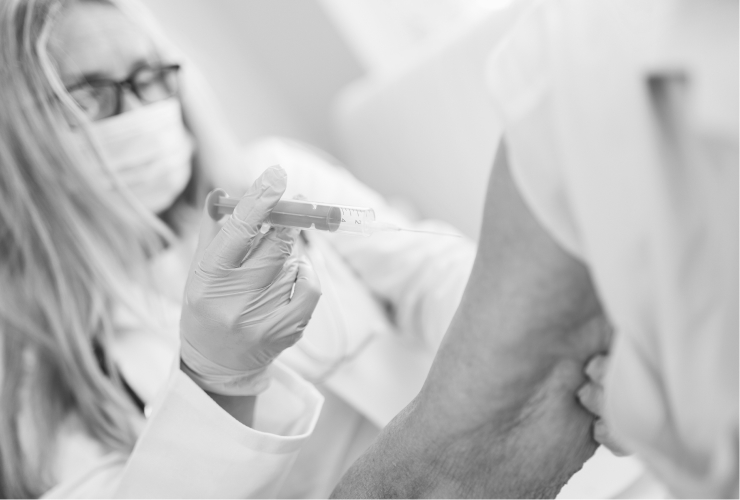
Regular check-ups with your doctor are also a good opportunity to check whether you are up to date with your immunisations. These include COVID-19 and flu vaccines, pneumococcal vaccine, and shingles (herpes zoster) vaccine. Visit our Vaccine Clinic page for more information on various immunisations.
Book an appointment with your doctor today if you are due for any of the above health checks.