An electrocardiogram (ECG) is a test that measures the electrical activity of the heart, which can help in diagnosing certain heart conditions. It can show if you are having or previously had:
Your doctor may recommend an ECG if you have any of the following symptoms:
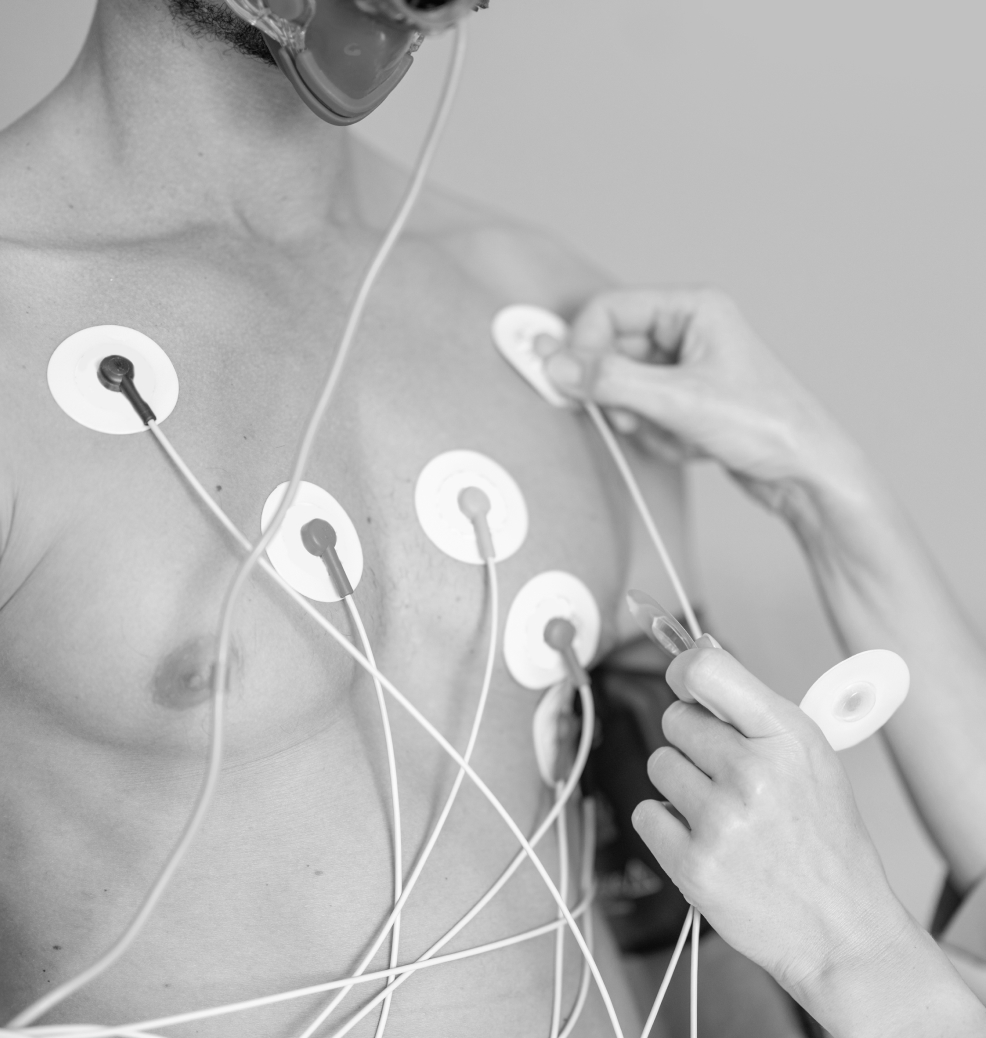
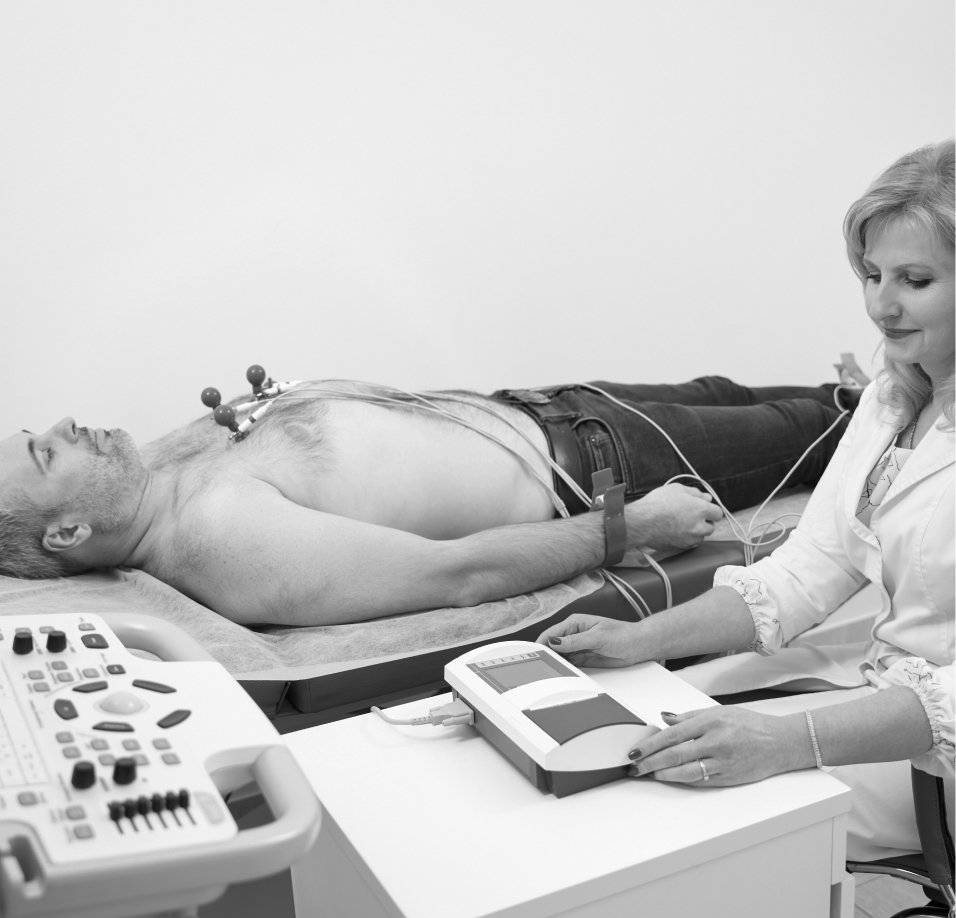
An ECG is a quick, simple, and non-invasive test that can be done at Hunter’s Hill Medical Practice without the need for any special preparation. It involves placing small stickers (electrodes) on your chest – it is best to keep the skin clean and dry to allow them to stick well. The stickers are attached to leads that are connected to the ECG machine, which records electrical activity of the heart and displays this as a trace on a screen or paper. The stickers are then removed from your skin.
Your doctor will interpret the ECG trace and discuss the results with you. Depending on what the trace says about your heart, you may require further testing or begin treatment if needed. Additional tests that your doctor may recommend include blood tests, a chest X-Ray, an echocardiogram (ultrasound of your heart), or a coronary angiogram (images of the heart’s blood vessels).
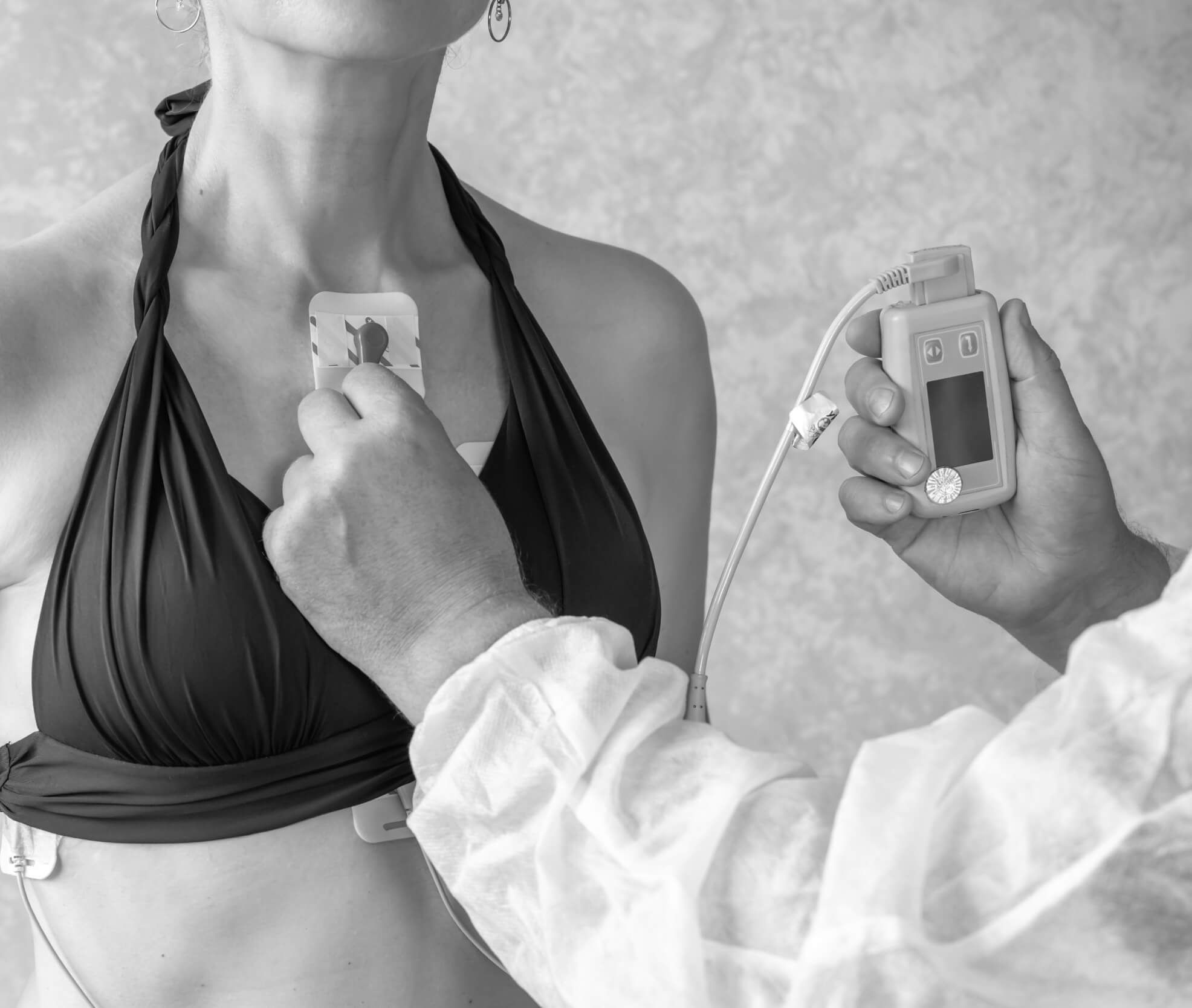
A Holter monitor is a portable ECG device that records the electrical activity of the heart for at least 24 hours.
Your doctor may recommend a Holter monitor if there is any suspicion of abnormal or transient disturbances to your heart’s rhythm which could not be detected on a resting ECG. It is also recommended if you have any of the following symptoms and a resting ECG does not show a clear cause:
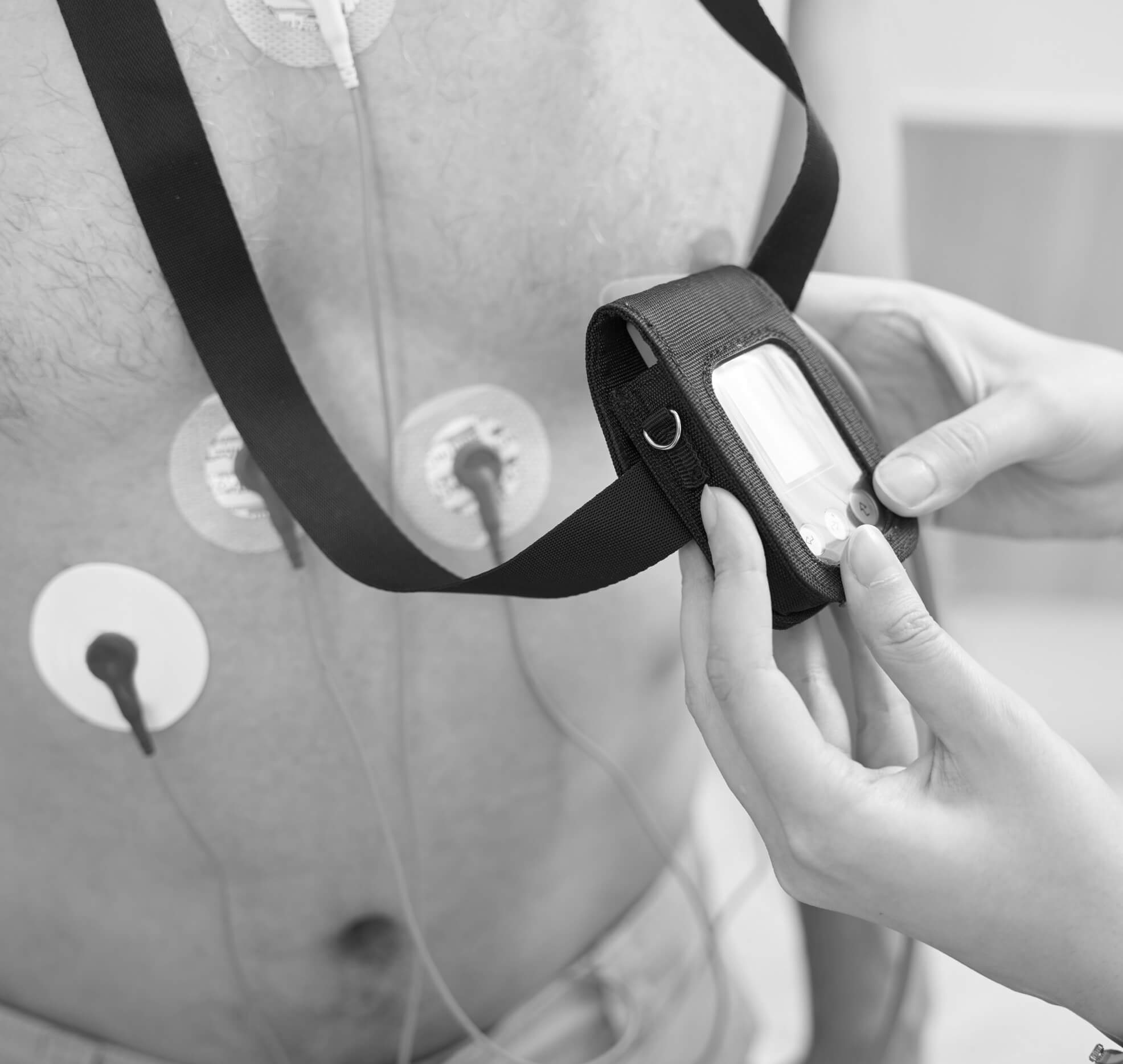
A Holter monitor is a non-invasive, small, and lightweight device worn around the shoulder, neck, or waist. It has small electrodes that attach to your skin (similar to a resting ECG) which capture important information about the heart, including heart rate and rhythm. The data is stored in the Holter monitor and later analysed to determine the heart’s function and cause of any symptoms experienced.
Once the Holter monitor is worn, you can return to your usual daily activities. You will be required to keep a diary with details of your day, including any strenuous physical activity, medications, sleep times, and any symptoms experienced.
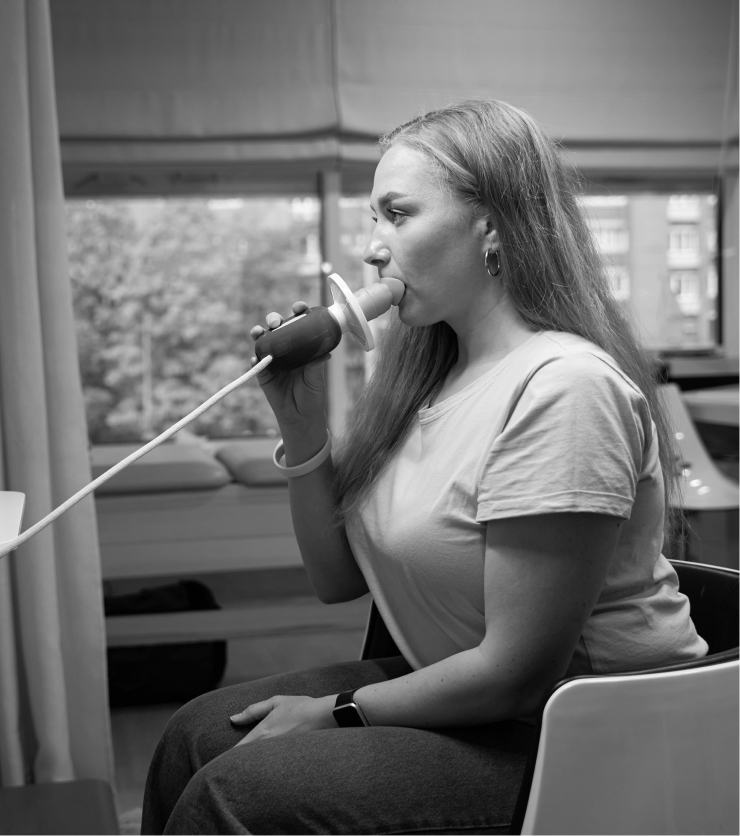
Spirometry is a breathing test to assess how well your lungs are functioning. It measures how much air flows in and out of your lungs as you breathe, and how hard and fast you can breathe out. It can help to diagnose certain lung conditions.
Your doctor may recommend a spirometry test to:
Spirometry is a safe test that can be done at Hunter’s Hill Medical Practice. In preparation for the test, it is recommended to wear loose clothing that won’t interfere with your ability to take a deep breath, and to avoiding eating a large meal to make it easier to breath.
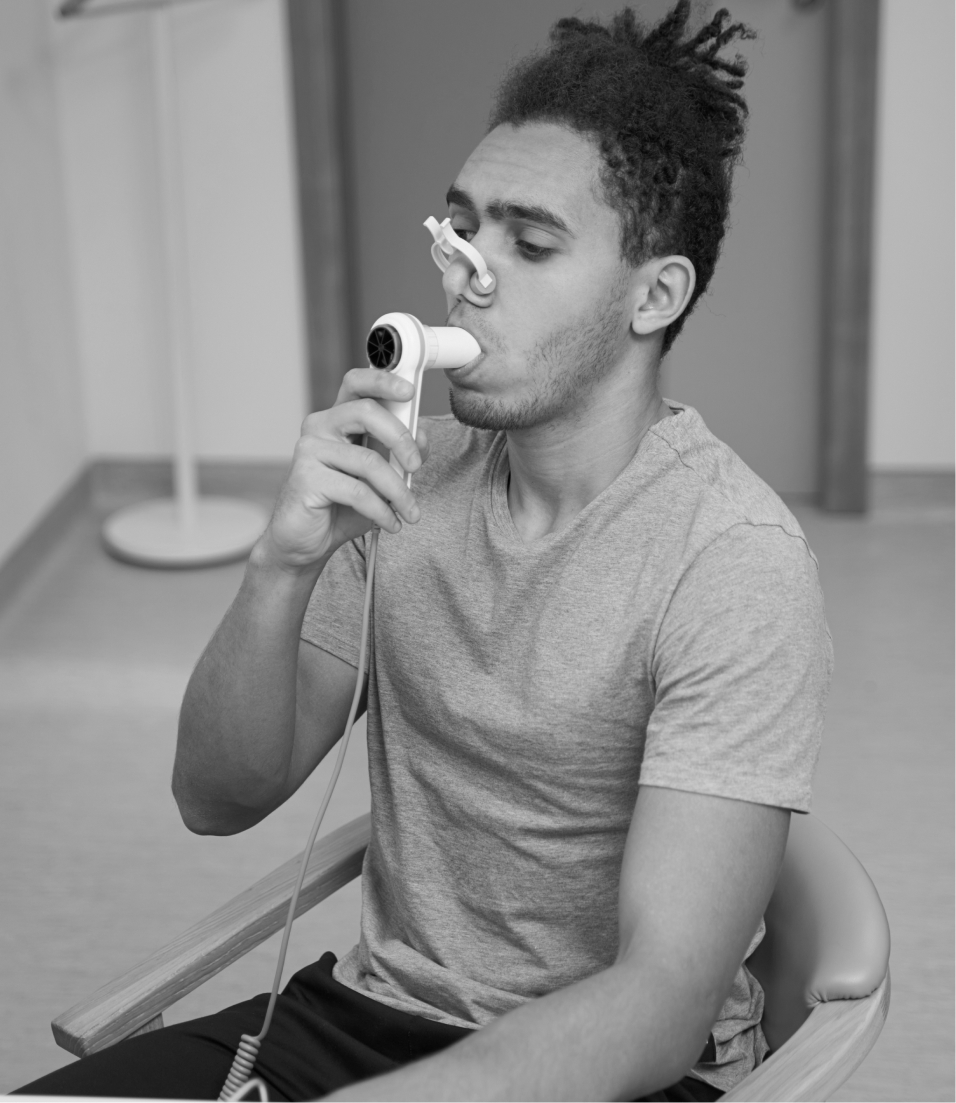
During the test, a clip or peg will be placed on your nose to keep it closed while you breath out of your mouth. You will be asked to create a tight seal around the mouthpiece of a tube and take a deep breath in and then blow out as hard and fast as possible. The test will need to be repeated three times to ensure your results are consistent. You may be given a medication to open up your airways and the test may be repeated to see if your medication improves your breathing.
While the test is not painful, it does involve breathing hard and fast which can make you feel tired, light-headed, or have chest tightness. Let your doctor know if you have any discomfort.
Depending on the test results, your doctor may prescribe medications to help improve your lung function, and the test may be repeated at future visits to continue to monitor your lung function.
A private fee will apply. A Medicare rebate will apply in most situations.