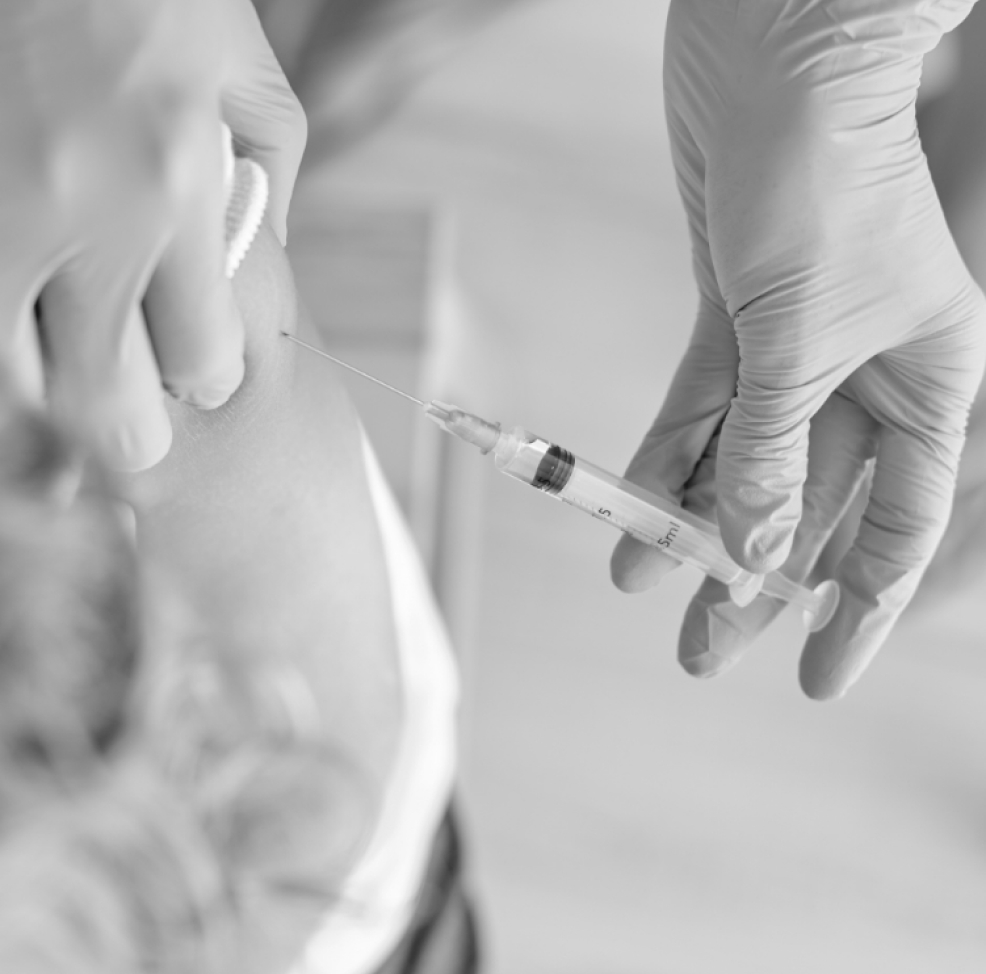
Routine childhood immunisations are an important way of protecting your child from serious and sometimes life-threatening illnesses such as diphtheria, tetanus, whooping cough, polio, pneumococcal disease, meningococcal C disease, hepatitis B, Haemophilus influenzae type b (Hib), rotavirus, chickenpox, measles, mumps and rubella (German measles) and influenza.
Australia’s National Immunisation Program sets out the routine childhood immunisations recommended for all children in Australia. It lists which vaccines are recommended and at what age. Some vaccines require more than one dose at different ages to ensure your child receives long-term protection.
The National immunisation Program changes slightly from time to time, as new vaccines become available. For more information visit www.health.gov.au/immunisation or call 1300 066 055.
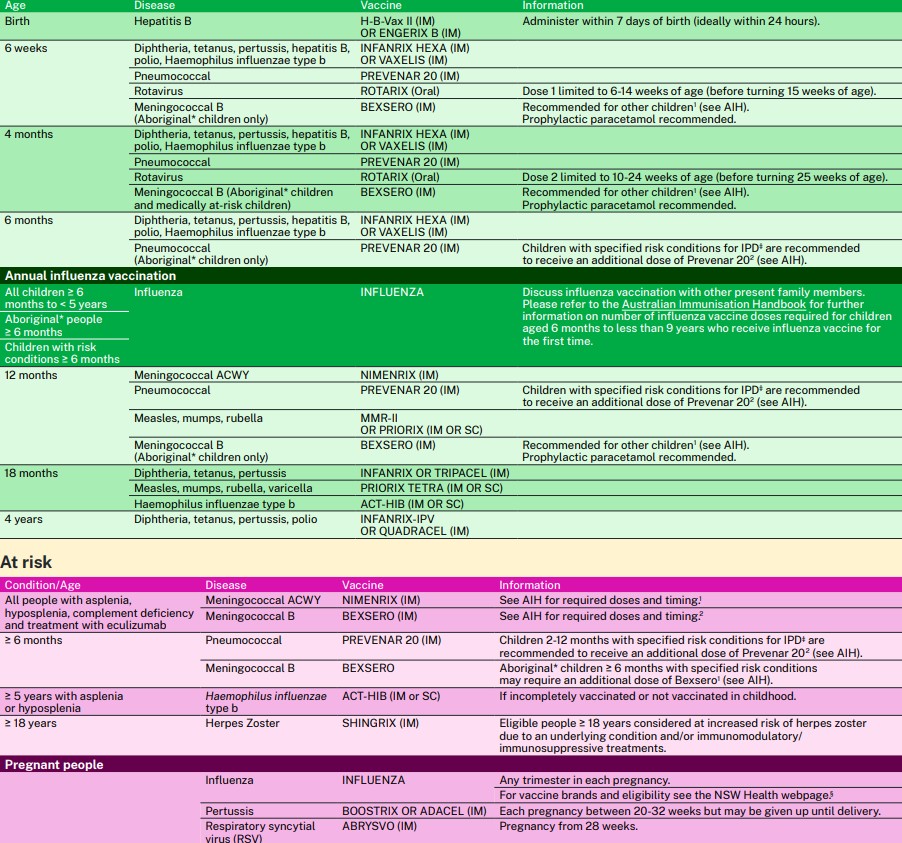
Many families assume that vaccinations end after the age of four. However, the National Immunisation Program continues into high school to protect against significant health risks during adolescence.
While most students receive these vaccinations at school, we understand that a school hall is not always the right environment for every child. You may prefer a private GP setting for several reasons.

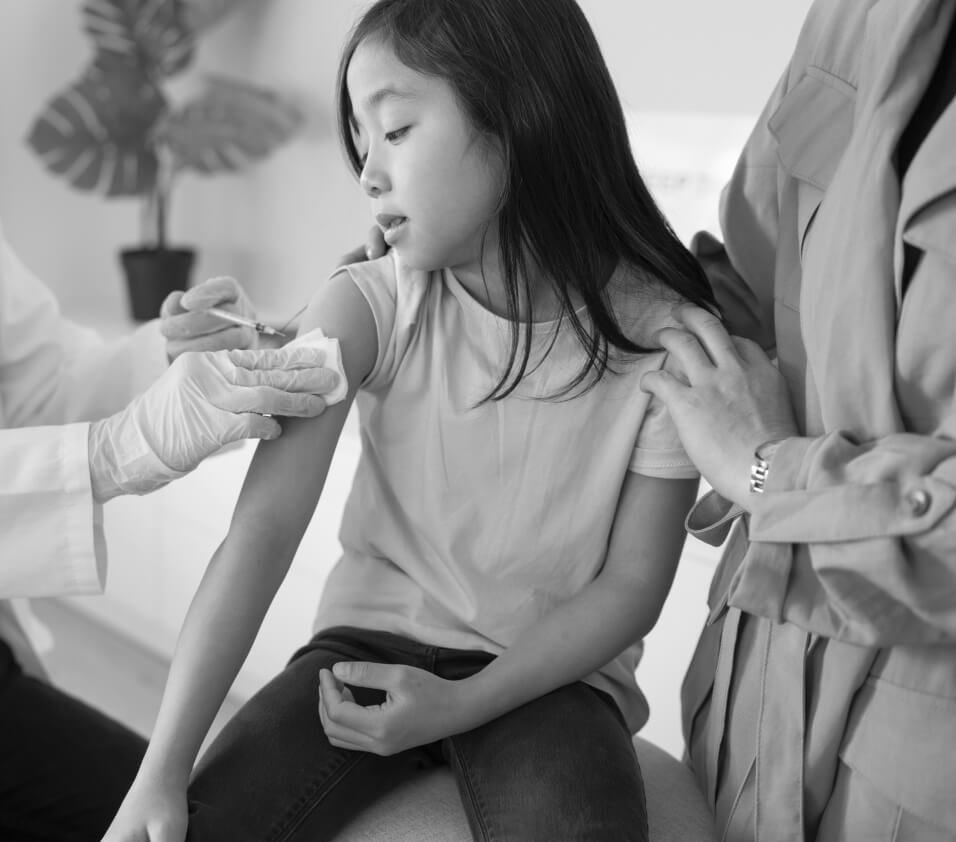
We provide the standard vaccinations usually offered in the first year of high school.
We provide the Meningococcal ACWY vaccine. This protects against four strains of meningococcal disease and is vital for older teens.
If your child has missed any of these doses at school, you can book an appointment at HHMP to catch up. These vaccines are typically funded under the National Immunisation Program.
Depending on the type of vaccine and your child’s age, the vaccine can be administered as drops in the mouth or as a needle in the arm or leg. Combination vaccines that protect against more than one disease require only a single injection, which helps in reducing the number of injections your child may need.
After receiving a vaccination, we recommend waiting with your child in the waiting room for at least 15 minutes to ensure your child is feeling well.
Immunisations are safe and effective. However, some children may experience a reaction to a vaccine. In nearly all cases, the side effects of immunisation are nowhere near as serious as the symptoms a child would experience if they were to contract the disease.
Common mild side effects include a mild fever and pain at the injection site.
Your child’s immunisation history is recorded on the Australian Immunisation Register, a national record of all vaccinations given to people in Australia. This can help to track your child’s immunisations and check when their next vaccination is due.
If your child has missed any of the recommended vaccinations, they can still receive them as part of the National Immunisation Program. Speak to your doctor about this.