
Cervical cancer is a type of cancer that develops in the cervix (the part that connects the uterus to the vagina). Cervical cancer develops when abnormal cells in the lining of the cervix grow uncontrollably, most commonly in the transformation zone – this where two types of cervical cells (squamous and glandular) meet. It affects about 900 Australians per year. Most cases of cervical cancer are caused by high-risk types of the human papillomavirus (HPV). Other risk factors include smoking and being immunocompromised.
HPV is a common virus spread through skin-to-skin contact, commonly through sexual contact. There are at least 100 different subtypes of HPV, a few of which have been identified as high-risk resulting in cervical cancer. Most women with a HPV infection will be asymptomatic and their immune system will destroy the virus. However, for some women, the infection does not clear and over time, it can cause pre-cancerous changes in the cervix which may lead to cancer – this process can take many years.
HPV can be prevented through the HPV vaccine, which provides protection against up to 9 types of HPV. Ask your doctor about the HPV vaccine if you haven’t had it already. As the vaccine does not protect against all types of HPV, regular cervical screening is still recommended.

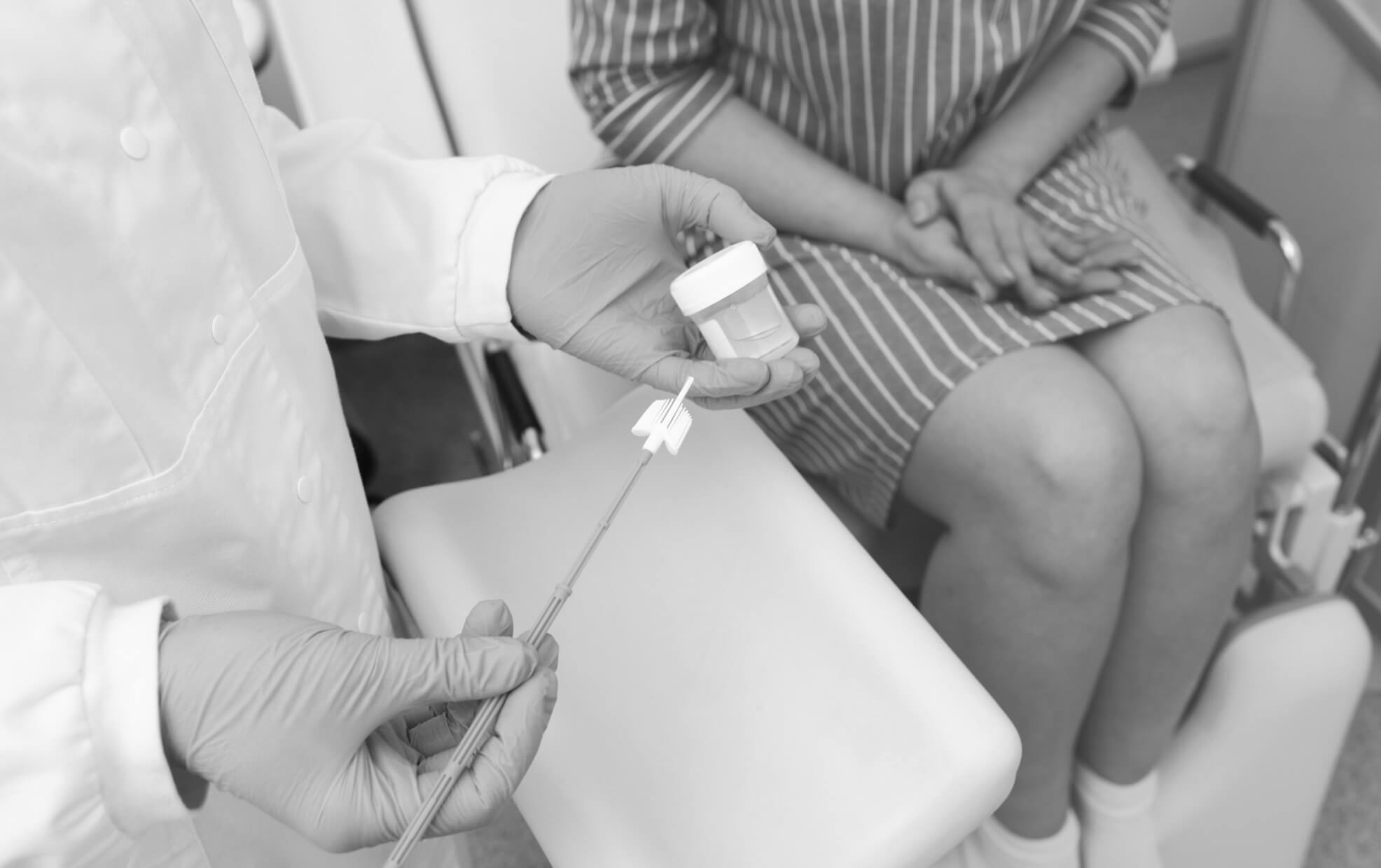
Cervical screening is one of the most effective ways to prevent cervical cancer or detect it earlier. It involves detecting the presence of HPV, a common infection that causes most cervical cancers.
Regular cervical screening allows monitoring those at an increased risk of cervical cancer and provides an opportunity to carry out further investigations or timely treatment if indicated.
According to the National Cervical Screening Program, regular cervical screening is recommended for those between the age of 25-74 years and are currently or have previously been sexually active. The cervical screening test is recommended every 5 years.
The cervical screening test (CST) is performed by your doctor and takes just a few minutes. A tool called the speculum is inserted into the vagina to visualise the cervix. A small brush is then used to take a sample of cells from the cervix. This may feel a little uncomfortable, but it should not be painful. The sample is then placed into a tube with liquid and sent off to the laboratory for analysis.
Self-collection of CST samples is now available, which means you can take your own sample from your vagina using a swab. However, this is not recommended for patients experiencing unusual bleeding, pain, or discharge. Speak to your doctor to see whether self-collection is the right option for you.
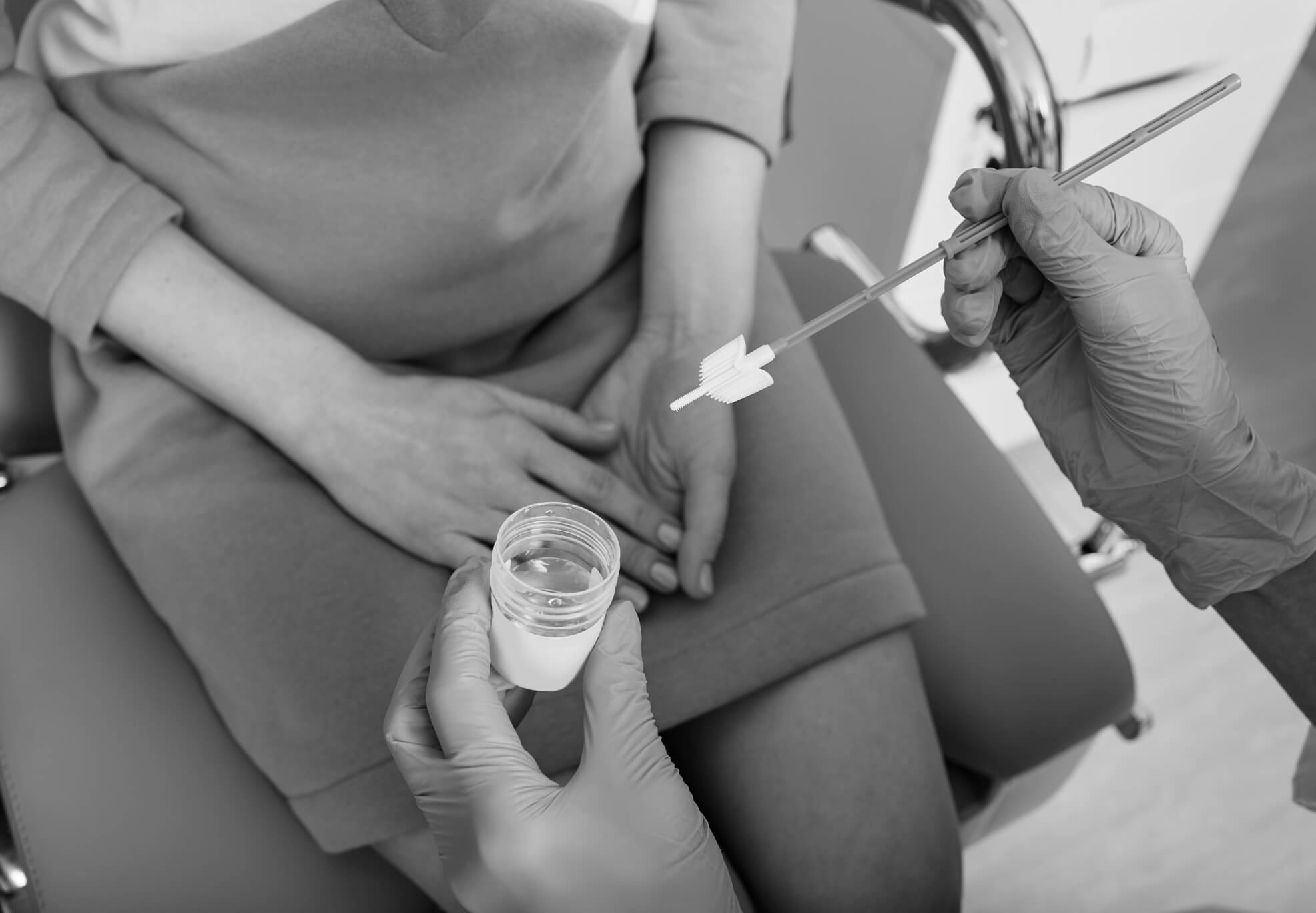

Your CST results will indicate if you have an HPV infection.
If you’re unsure of when your next CST is due, talk to your doctor. The National Cancer Screening Register (NCSR) also sends out reminders when you are due for your next CST.
If you are experiencing unusual bleeding, pain, or discharge, see your doctor. Your doctor can also organise a referral to see a Gynaecologist on-site, if required.