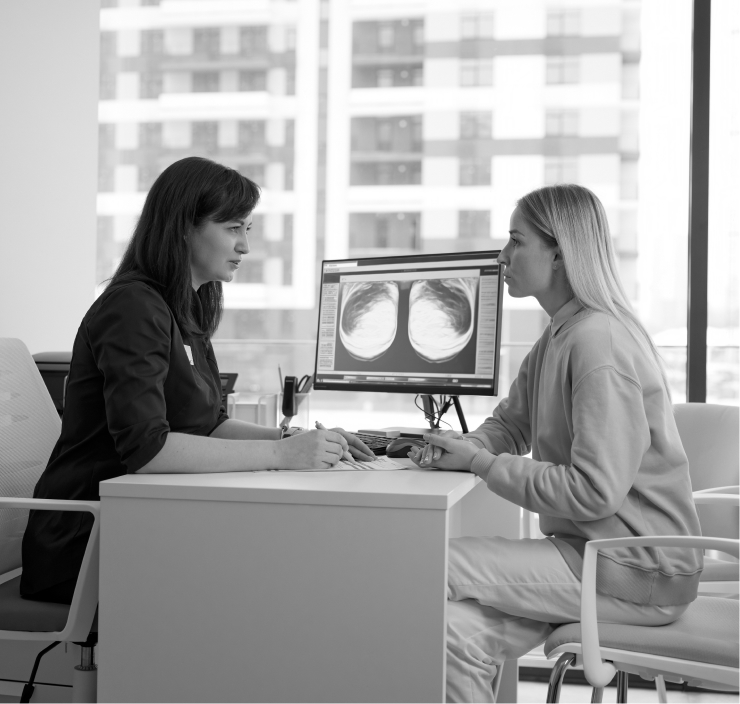
Cancer screening involves the detection of early signs of cancer in individuals without any symptoms. Screening can also identify changes to cells before they become cancer as well as any infections that may cause cancer in the future. Early detection can significantly improve treatment outcomes and survival rates. Screening is only used for certain types of cancers where there is a test available. As no test is 100% accurate, regular screening is important.
In Australia, three national screening programs are available to detect breast cancer, bowel cancer, and cervical cancer. These programs are free of charge if you are eligible. You will receive an invitation letter from the National Cancer Screening Register when you are due for your next screening test.
A breast screen or screening mammogram is the most effective way of detecting breast cancer early. A screening mammogram is a low dose breast X-ray used to detect breast changes that are too small to see or feel during a physical examination.
The test usually takes only a few minutes and results are available within 2-6 weeks. Depending on your results, further testing may be required which can include a clinical breast examination, diagnostic mammography (a breast X-ray for women with breast symptoms), an ultrasound, an MRI, or a needle biopsy.
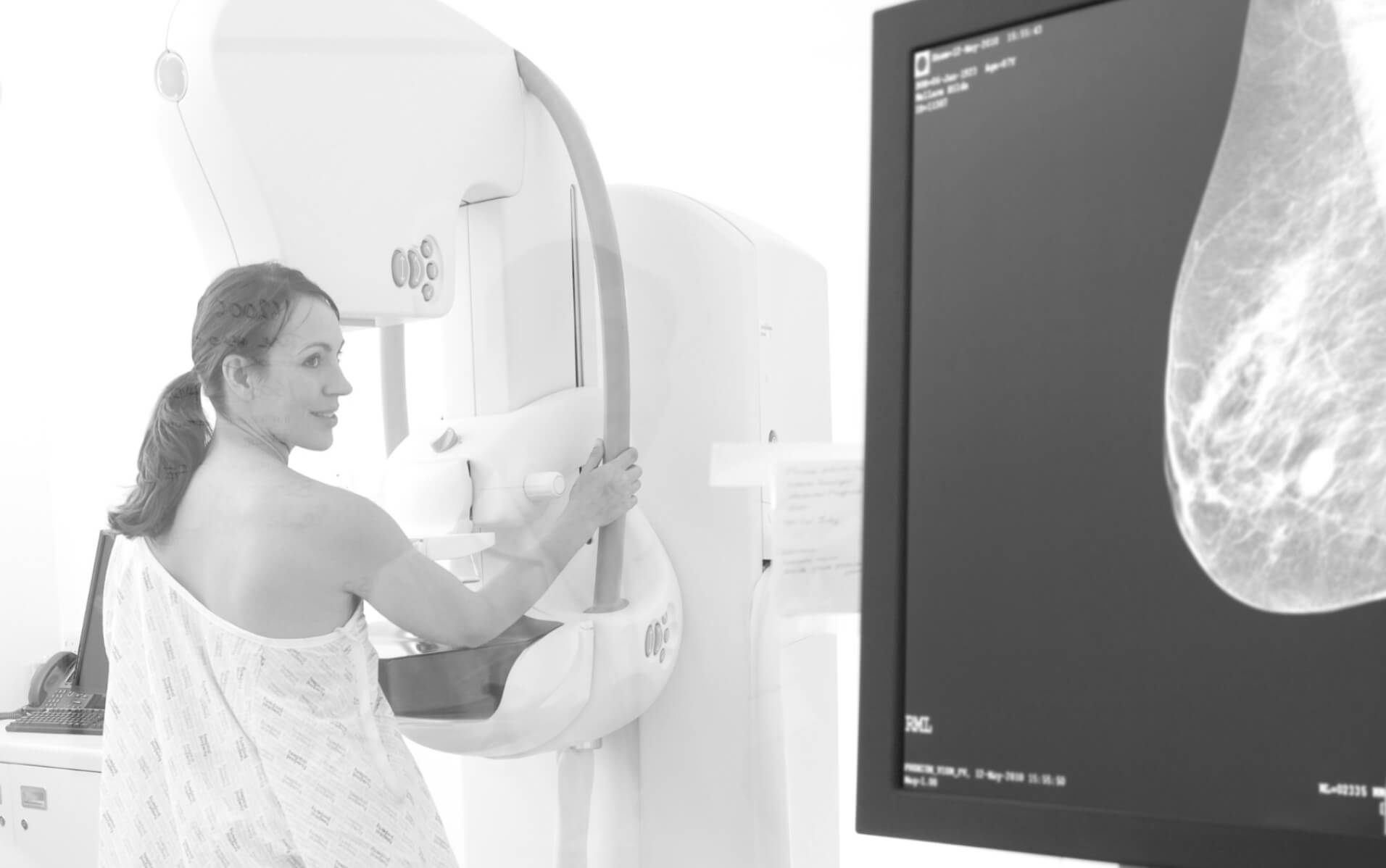
Women aged between 50 and 74 years are recommended to have a free breast screen (a mammogram) every two years. Women between 40 and 49 years, and those over 54 are also eligible to have a free mammogram but will not receive invitation letters.
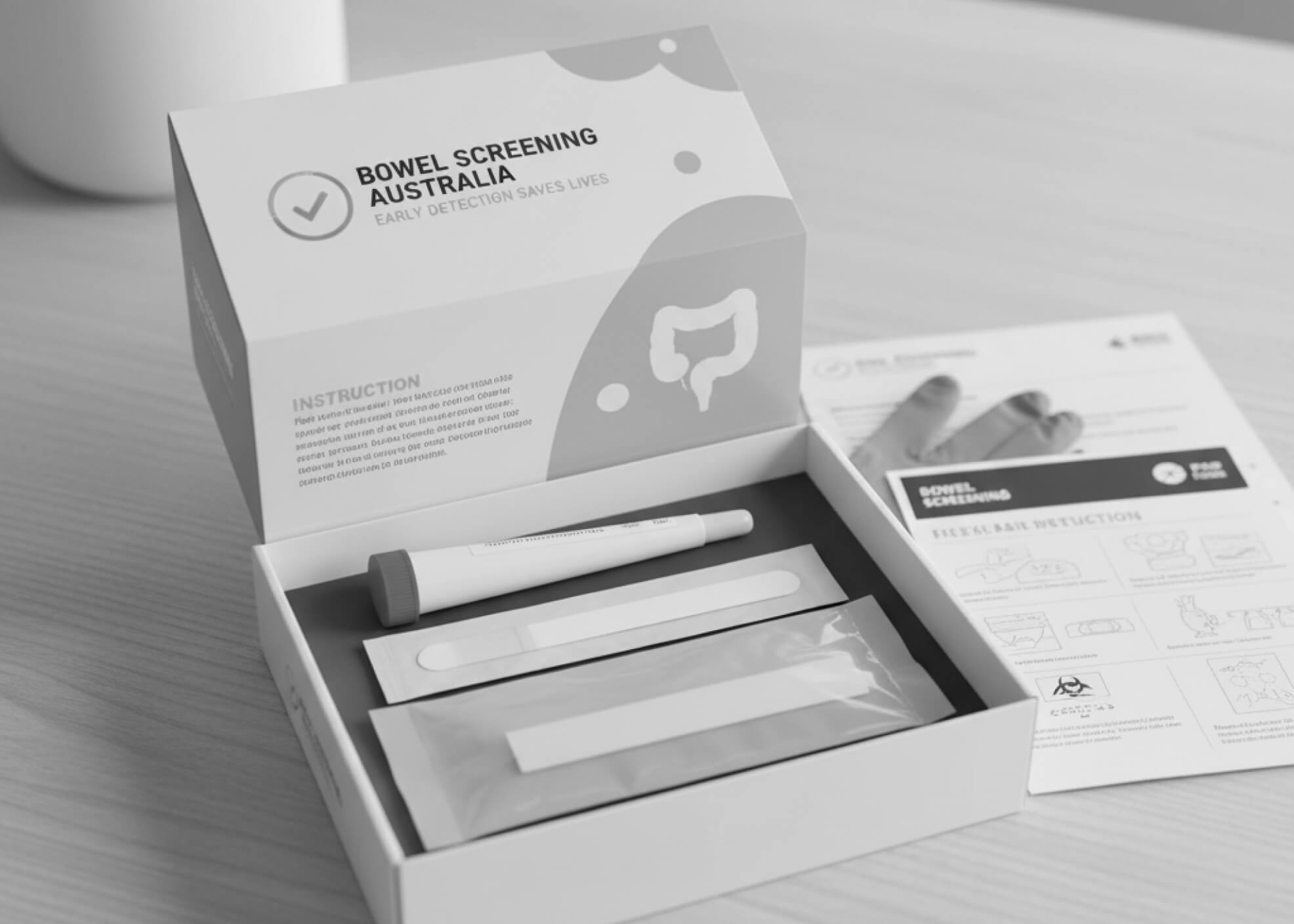
The bowel cancer screening test is called an immunochemical faecal occult blood test (iFOBT). It detects tiny amounts of blood in your stool, which can be a sign of bowel cancer. It is a quick and simple test that can be done by yourself at home – Instructions for the screening kit are provided. Your results will be available within 4 weeks and will indicate what action, if any, you need to take. Further testing may include a colonoscopy (a procedure to visualise the bowel).
Depending on your individual risk of bowel cancer, you may need to commence screening at an earlier age. For example, if you have no symptoms but have a first-degree relative diagnosed with bowel cancer under the age of 55, the iFOBT is recommended every two years from 40 - 49 years of age, and a colonoscopy every 5 years from 50 – 74 years of age. Your doctor will take a thorough medical history from you to identify your risk and determine the appropriate screening guideline.
Individuals aged between 50 and 74 years are sent a free iFOBT home test kit by the Australian Government every two years.
The cervical screening test (CST) detects the presence of HPV, a common infection that causes most cervical cancers. It is a quick test done by your doctor that involves taking a small sample of cells from the cervix and sending it off to the laboratory for analysis. You can also choose to collect your own sample. However, it is best to speak to your doctor to see whether self-collection is the right option for you. For more information about the cervical screening test, click the button below.
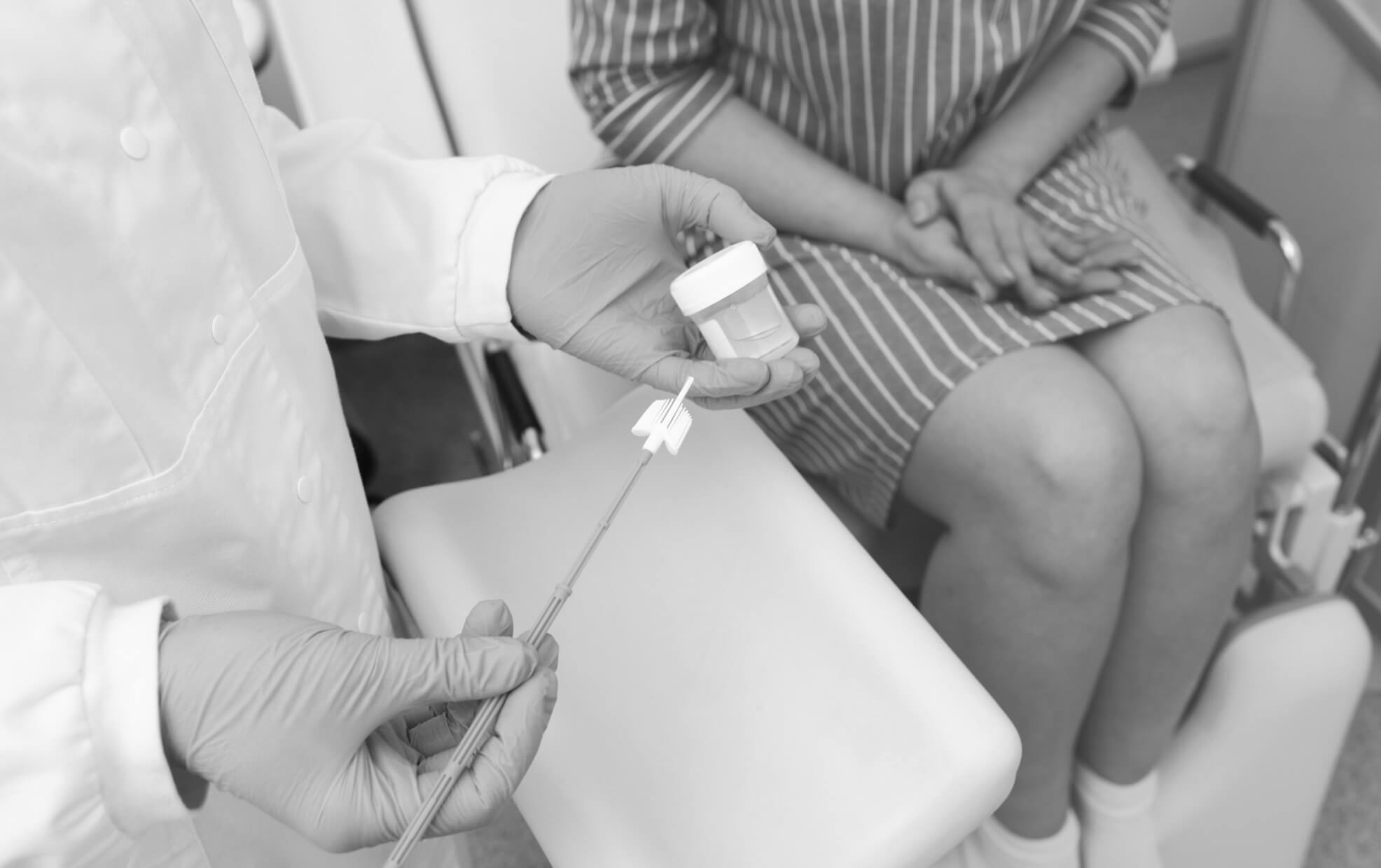
Cervical screening is recommended for those between the age of 25 and 74 years and are currently or have previously been sexually active. Screening is recommended every 5 years.
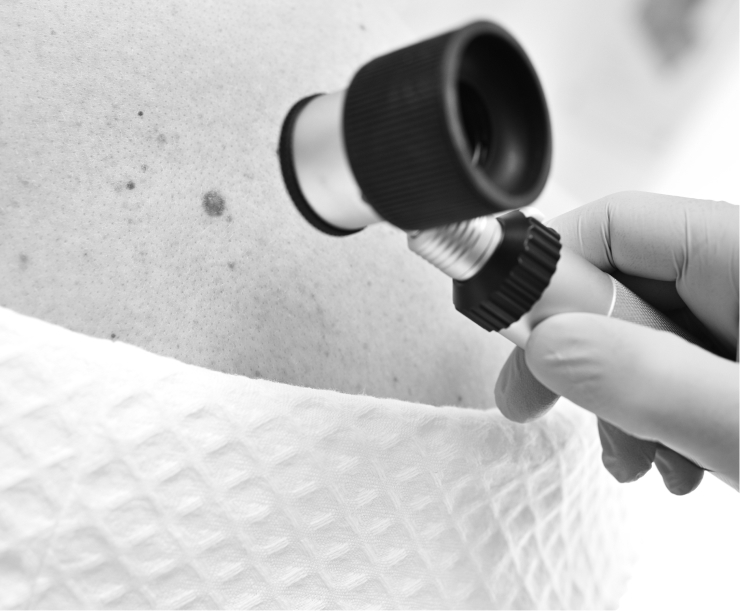
Other common cancers that are also important to look out for include prostate and skin cancer. Although there are currently no population-based screening programs available for these cancers, it is recommended to speak to your doctor if you are concerned about your risk for either of them or notice anything unusual for you. Further information about cancer screening and early detection can be found on the Cancer Council NSW website.
If you are known to have a higher risk of developing certain cancers (e.g., a strong family history of cancer, genetics, infections), discuss this with your doctor instead of waiting to become eligible for the national screening programs. Even if you recently had a screening test and are worried about symptoms, raise them with your doctor.