Breast cancer is the most common cancer in women. In NSW alone, 1 in 8 women will develop breast cancer in their lifetime. Early detection can significantly improve treatment outcomes and survival rates. Screening for breast cancer involves regular breast checks in the form of self-examinations, clinical examinations by a doctor, and screening mammograms.
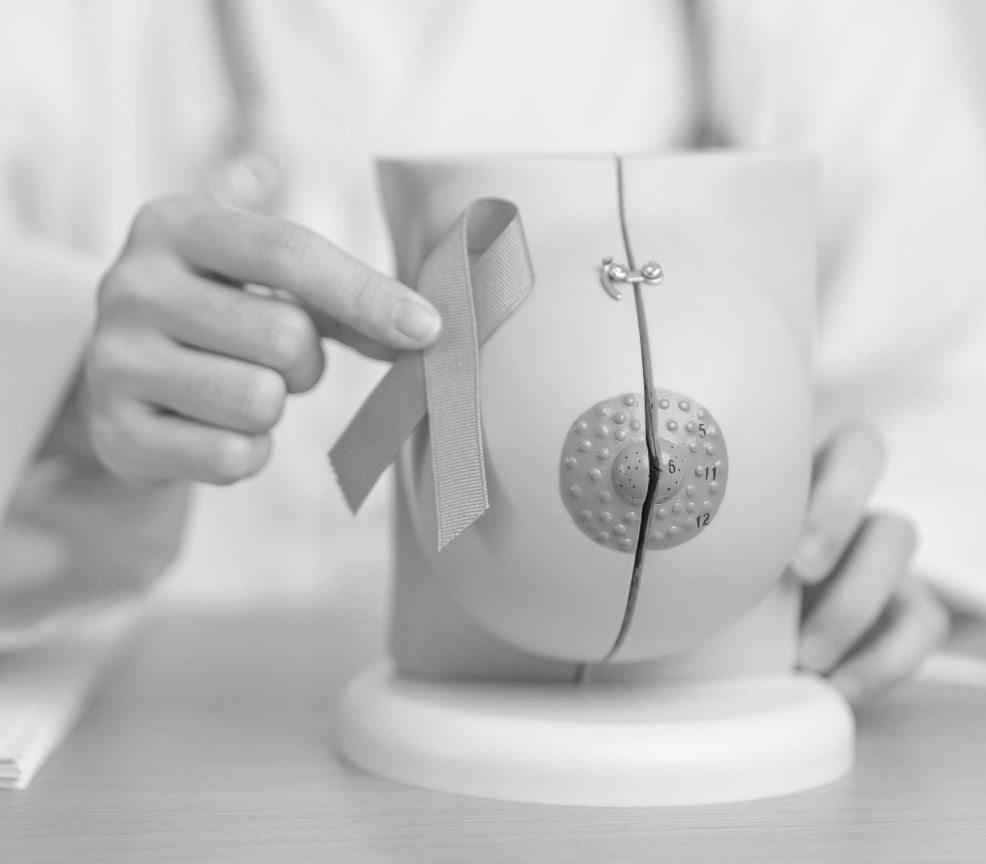
Performing regular breast self-exams are a simple and effective screening tool that can be done within the comforts of your home. From time to time, inspect your breasts in front of the mirror, in the shower, or when lying down, and have a feel. The more familiar you become with what’s normal for you, the easier it can become to identify any new or unusual changes.
While not all breast changes are caused by cancer, it is best to book an appointment with your doctor for a check-up if you are concerned about any of the above signs and symptoms. Your doctor will perform a clinical examination and consider further testing depending on the findings.
It is also important to remember that breast self-examinations do not replace regular screening tests recommended by your doctor. Screening mammograms can usually detect breast cancers before they can be felt.
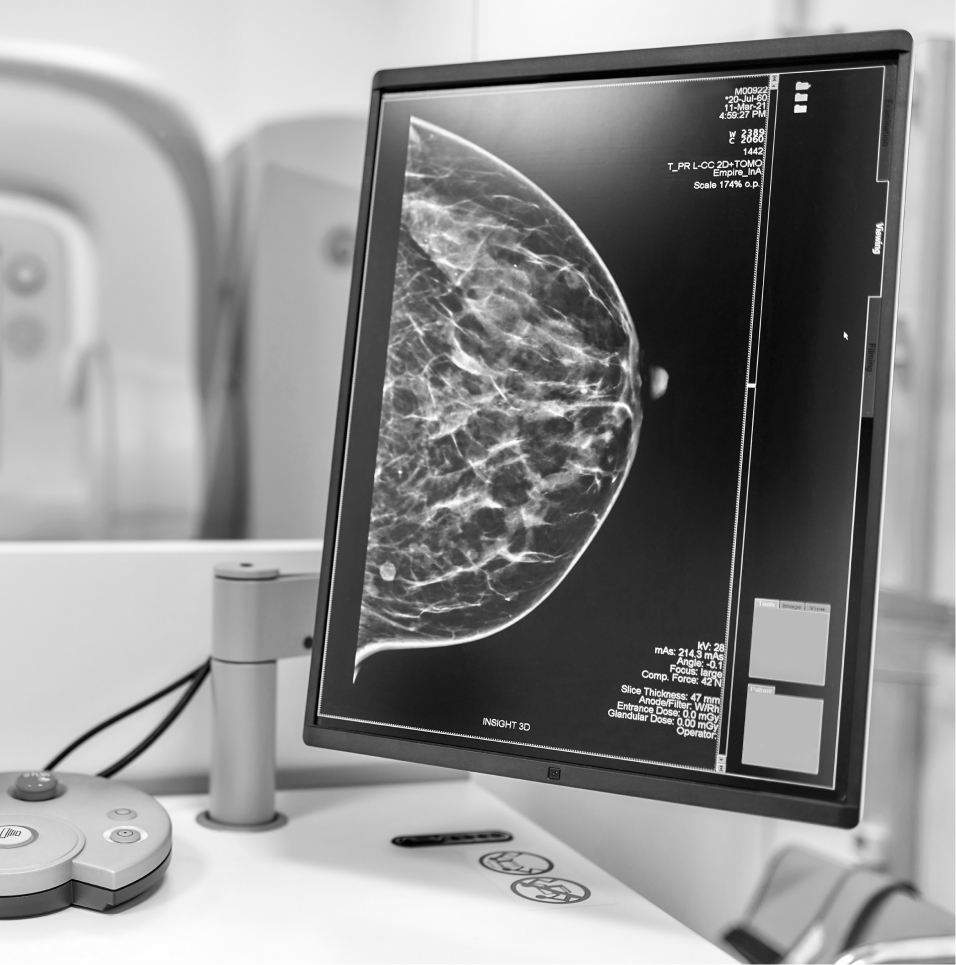
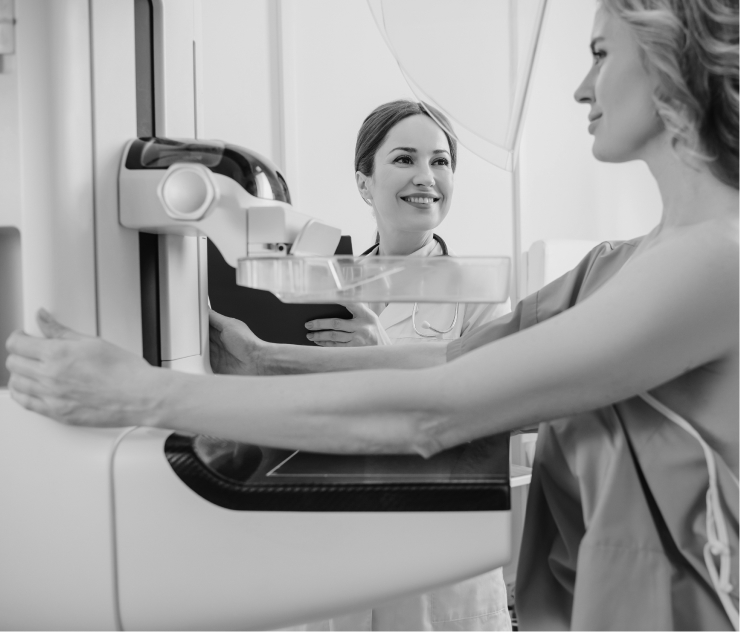
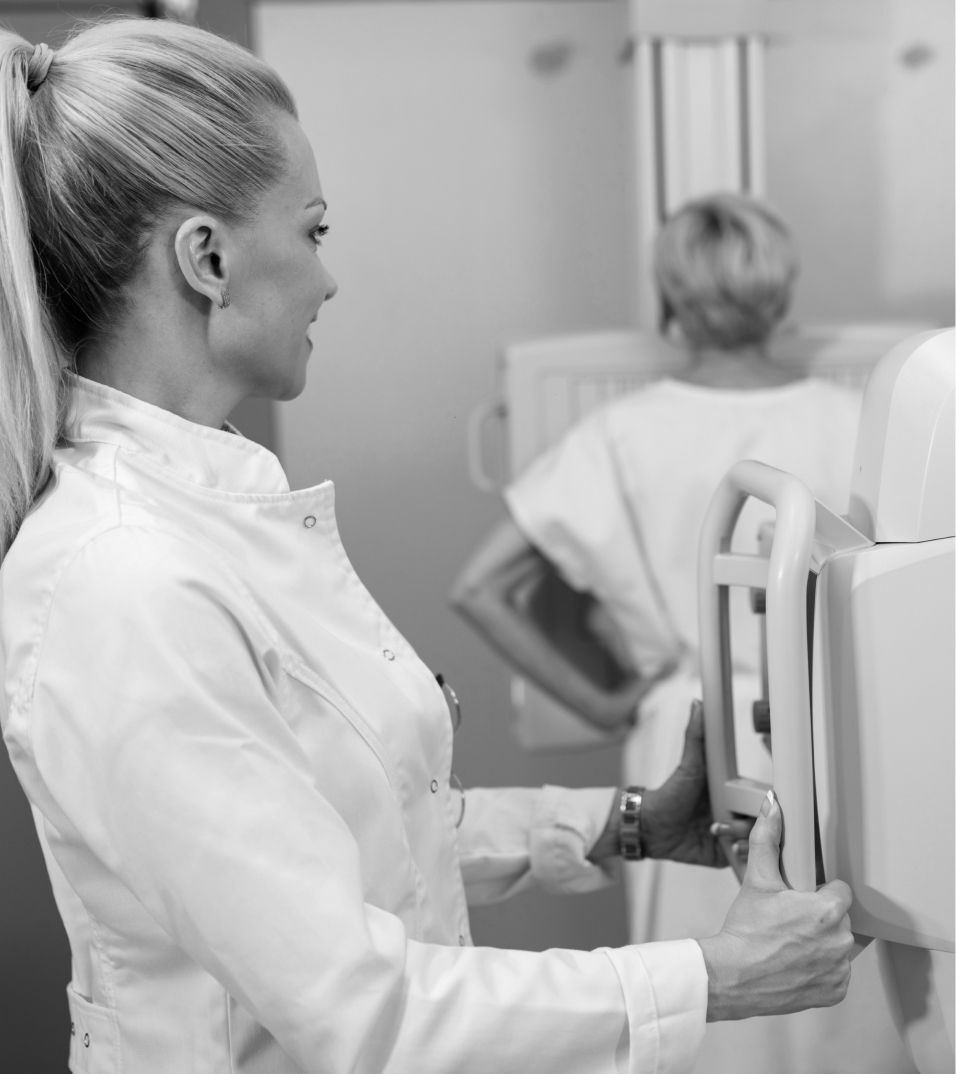
A screening mammogram is a low dose breast X-ray used to detect breast changes that are too small to see or feel during a physical examination. The test usually takes only a few minutes and results are available within a couple of weeks. Depending on your results, further testing may be required which can include a clinical examination by your doctor, a diagnostic mammography (a breast X-ray for women with breast symptoms), an ultrasound, an MRI, or a needle biopsy.
BreastScreen Australia is the national breast cancer screening program that invites women aged between 50 and 74 years to have a free screening mammogram every 2 years. Women between 40 and 49 years, and those over 54 are also eligible to have a free mammogram but will not receive an invitation.
Breast cancer is common in women aged 50 or older, but it can also affect women of any age. Other risk factors that may increase the chance of developing breast cancer include:
If you are concerned about any of the above risk factors, speak to your doctor. Depending on your individual history, you may be advised to commence screening for breast cancer at an earlier age.
Lifestyle modifications can help in reducing your risk of breast cancer. These include regular exercise, maintaining a healthy weight, and reducing or eliminating alcohol intake. Your doctor can provide you with guidance on these so you can achieve your goals.