Occupational Therapist

Stephanie Houston (Vita Rehab)

OCCUPATIONAL THERAPIST

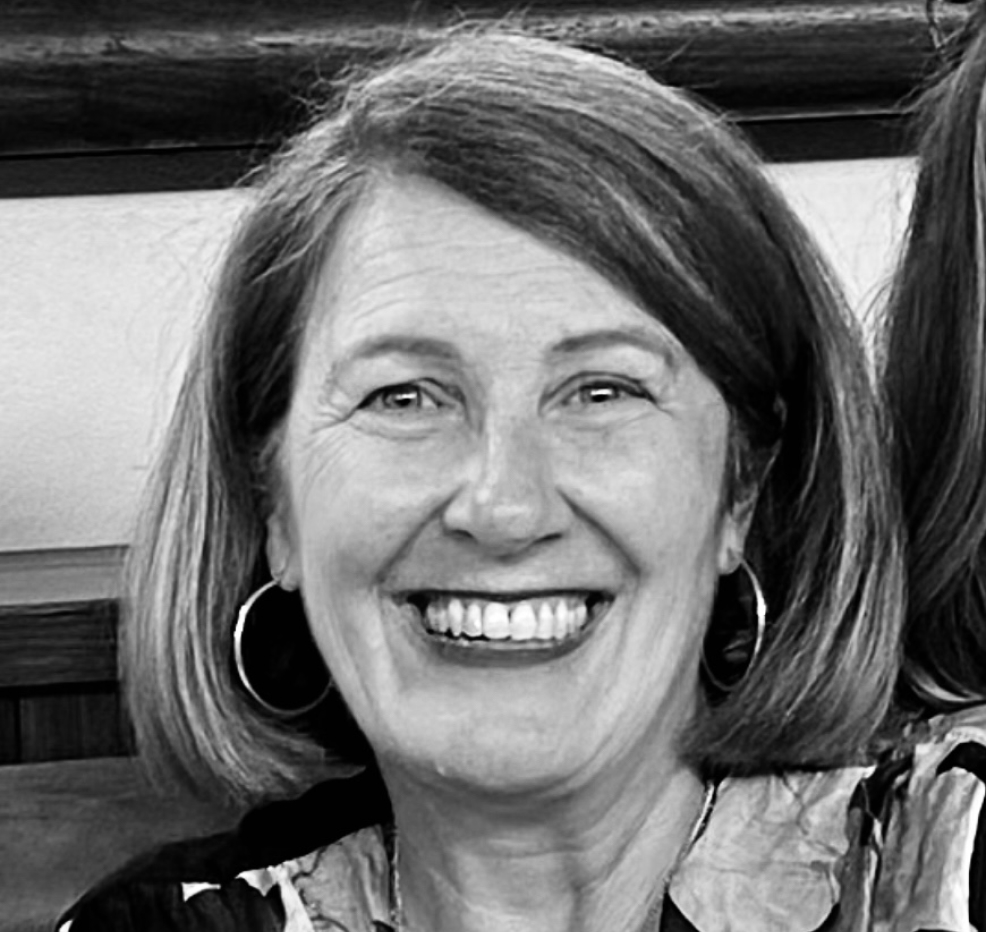
Stephanie Houston is an experienced Principal Occupational Therapist from Vita Rehab, now consulting weekly at Hunters Hill Medical Practice. With over 30 years of clinical experience across major Sydney hospitals, specialist rehabilitation services, community programs, and private practice, Stephanie brings an exceptional depth of knowledge to supporting adults with complex physical, neurological, and cognitive needs.

She holds a Bachelor of Applied Science (Occupational Therapy) from the University of Sydney (1986–1989) and has worked extensively at Royal North Shore Hospital, as a Consultant OT, and with icare NSW. Stephanie has a strong clinical background in neurorehabilitation, cognitive retraining, upper limb therapy, spinal cord injury, wellness coaching, and functional re-enablement. Her approach is warm, evidence-based, and highly personalised—focused on helping adults regain independence, confidence, and ease in their daily activities.
Contact Stephanie to book an appointment today!

  • 0432 864 747
  • hello@vitarehab.com.au
  • Level 1, 6 Ryde Rd, Hunters Hill, NSW 2110

Services Stephanie Provides (Onsite at HHMP)

Stephanie works collaboratively with HHMP GPs, nurses, and allied health providers to ensure patients receive coordinated, holistic care tailored to their goals and abilities.
  • Neuro rehabilitation
  • Upper limb therapy
  • Persistent pain rehabilitation
  • Chronic fatigue & Long COVID management
  • Return-to-work / return-to-study programs
  • Equipment prescription
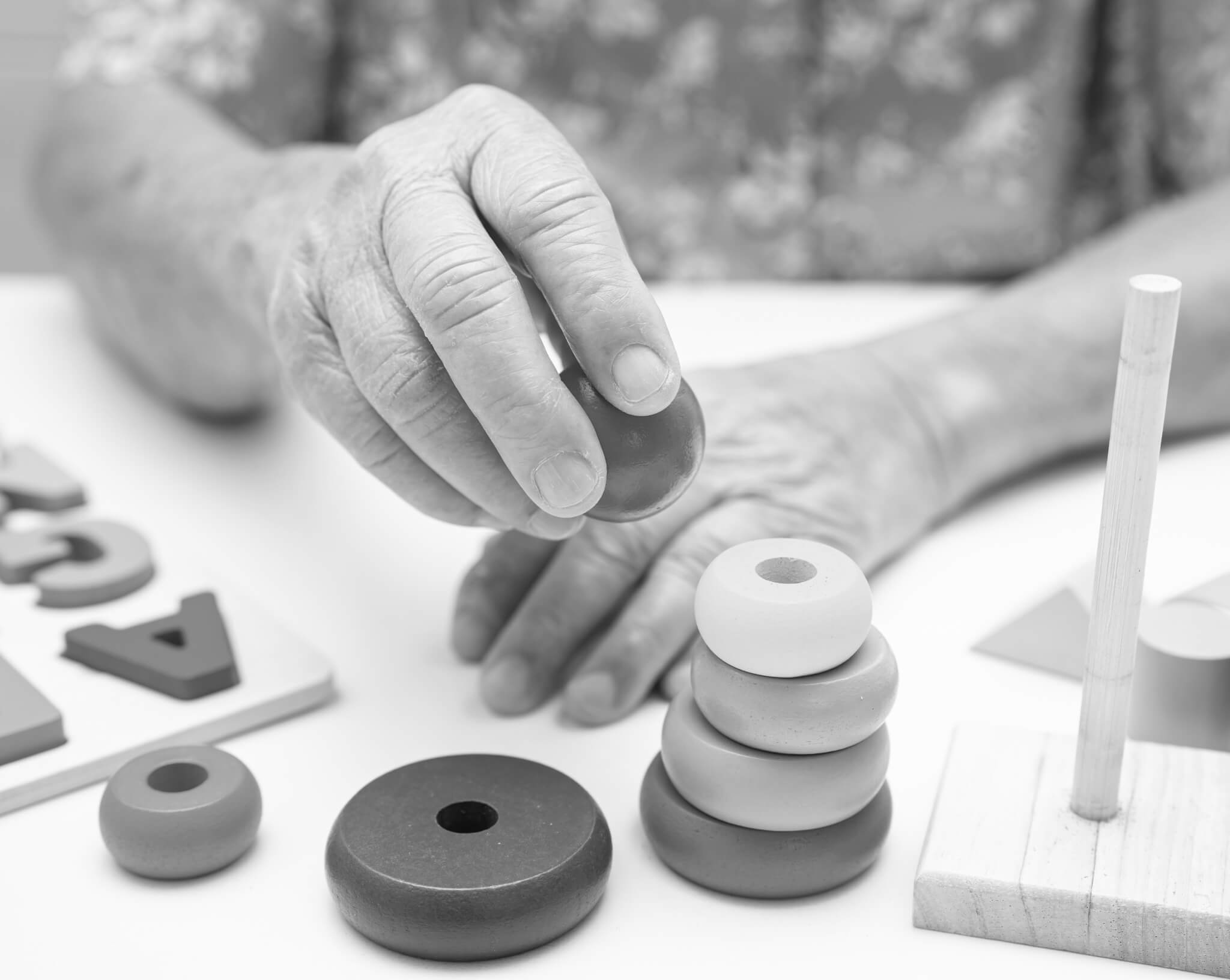
  • Cognitive retraining and coaching
  • Falls prevention strategies
  • Minor home modifications
  • Clinic-based and mobile OT services

What Is Adult Occupational Therapy?

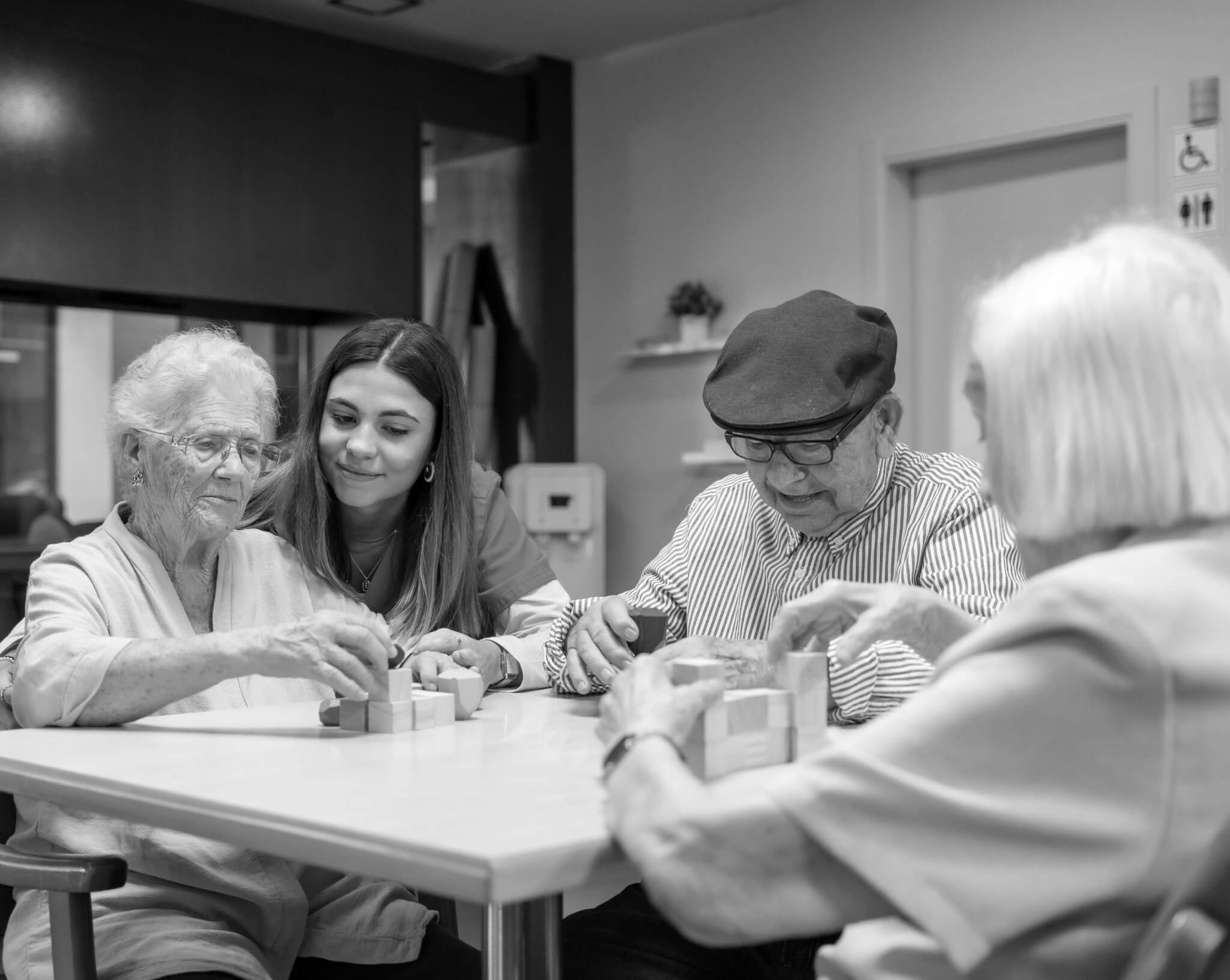
Adult Occupational Therapy is a form of allied health care that helps people participate fully in the activities that matter most to them—at home, at work, and in the community. Rather than focusing solely on a specific injury or diagnosis, occupational therapists (OTs) look at the whole person: your physical abilities, cognitive function, daily routines, habits, and environment. The goal is to improve independence, safety, and quality of life.

How Occupational Therapists Help

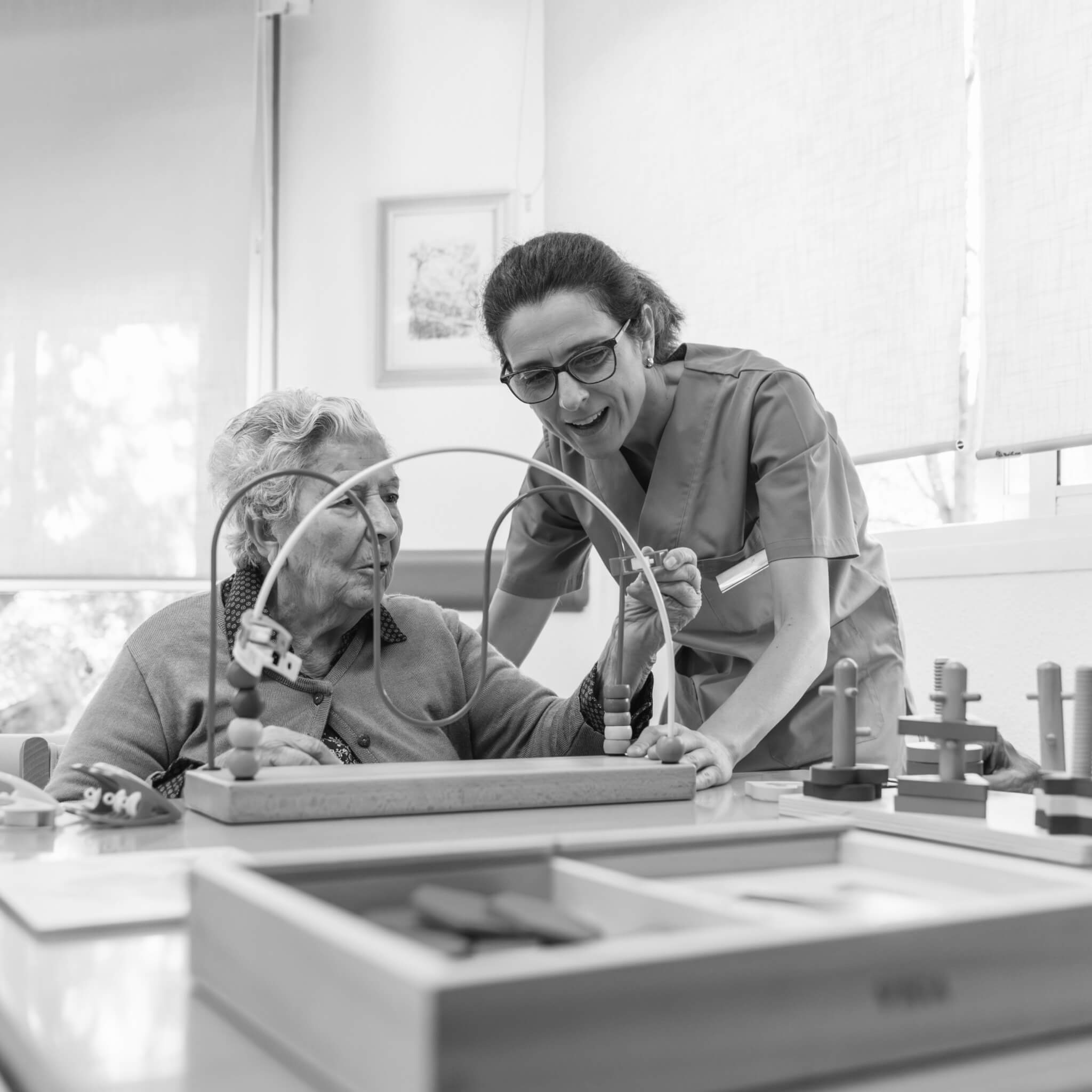
OTs work with adults experiencing a wide range of conditions, including arthritis, chronic pain, neurological conditions (such as stroke or Parkinson’s disease), post-surgical recovery, mental health challenges, age-related decline, and general deconditioning. They help you regain or improve skills such as dressing, bathing, cooking, driving, work tasks, balance, mobility, and memory or attention. They also assess your home or workplace and recommend strategies or equipment to make everyday tasks easier and safer.

What to Expect at an OT Appointment

During your appointment, the occupational therapist will take the time to understand your goals—whether that’s managing at home after an injury, maintaining independence as you age, or returning to work or hobbies. The OT may complete physical and functional assessments, review your home setup, recommend adaptive equipment (e.g., shower chairs, rails, compression aids), and develop a personalised therapy program. This may include exercises, energy-conservation techniques, task modification, cognitive strategies, and education for both you and your family.

Why Occupational Therapy Matters

Occupational Therapy empowers adults to live with more confidence, comfort, and independence. It bridges the gap between medical care and daily life—helping you not only recover but live better. Whether you’re recovering from an illness, managing a chronic condition, or simply wanting to stay independent for longer, an OT can offer practical, hands-on support tailored to your needs.

How do Occupational Therapists and GPs work together?

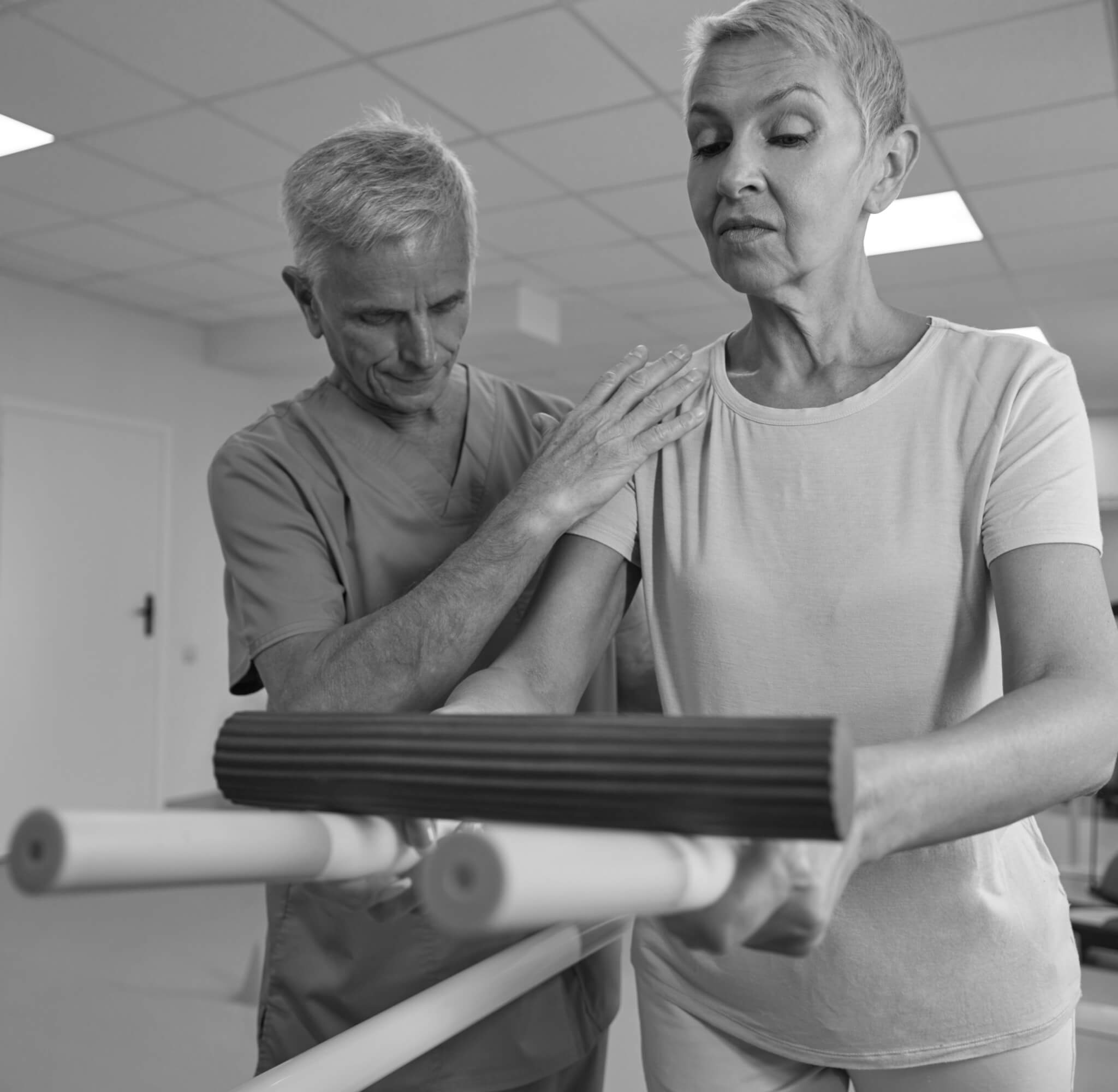
Occupational Therapists and GPs work together by linking medical treatment with practical, day-to-day function. The GP identifies the health issue—such as a stroke, upper-limb injury, persistent pain, cognitive decline, weakness, or falls risk—and the OT then assesses how this impacts a patient’s ability to manage at home, at work, or in the community. For example, a GP may diagnose post-stroke weakness, and the OT can provide targeted neuro-rehabilitation and upper-limb therapy to improve arm function and independence.

For patients with chronic fatigue or weakness, the GP manages the medical aspects while the OT builds an energy-conservation program, pacing plan, and structured return-to-study/work support. When a GP identifies safety concerns, such as recent falls or cognitive change, the OT can complete a functional assessment and recommend equipment, minor home modifications, or cognitive retraining. This practical, hands-on collaboration ensures that medical care translates into meaningful, achievable improvements in a patient’s everyday life.
Call Us on 02 9817 2080 
to book an appointment today!

Contact Us
Monday – Friday
8am to 7:30pm
Saturday
8am to 1:30pm
Sundays & Public Holidays
Closed
6 Ryde Road

Hunters Hill NSW 2110
Hunters Hill Medical Practice acknowledges and respects the ATSI people and is honoured to contribute to their healthcare.
© 2025 Hunters Hill Medical Practice